For guitar maintenance, repair, and fine instrument work, choosing the right wood glue matters. The following selections cover traditional wood glues, fast-setting CA glues, and specialty options ideal for instrument surfaces, bindings, and inlays. Each product is evaluated for bond strength, drying time, and compatibility with common guitar woods such as maple, mahogany, pine, and spruce. This guide helps you compare performance and choose a glue that delivers clean, durable results without compromising your delicate finishes.
| Product | Brand | Key Strengths |
|---|---|---|
| Titebond Original Wood Glue 5063 | Titebond | Industry-standard wood glue; strong bond; easy cleanup |
| Titebond Genuine Hide Glue | Titebond | Reversible bond; traditional for acoustics and antiques |
| StewMac Super Glue, No. 10 Thin | StewMac | Fast-acting; ideal for tiny joints and finish repairs |
| STARBOND Light Brown Medium CA Glue | STARBOND | Brown tint; precise application; good for gaps |
| Gorilla Ultimate Waterproof Wood Glue | GORILLA | Waterproof; extended working time; versatile color |
Titebond Original Wood Glue 5063

The Franklin International 5063 Titebond Original Wood Glue is a classic choice for woodworking and instrument repair. It delivers a strong, durable bond on most domestic woods commonly used in guitars, including spruce, maple, and mahogany. It dries clear and sands smoothly, reducing the risk of visible joints on instrument bodies, necks, and inlays. The 8-ounce bottle is convenient for home repair tasks and small projects. It’s designed for interior use, enabling reliable adhesion during repairs without excessive clamping times.
Titebond Genuine Hide Glue

Genuine Hide Glue from Titebond offers a reversible bond, widely used in traditional woodworking and luthier work. It’s especially favored for guitars with historical or vintage finishes, as it allows disassembly without damage. This 16-ounce option is ready-to-use with no mixing required, supporting fine assembly and repairs where potential future adjustments may be necessary. Interior use makes it suitable for brace work and delicate joint recovery, where heat can release the reversible bond.
StewMac Super Glue, No. 10 Thin
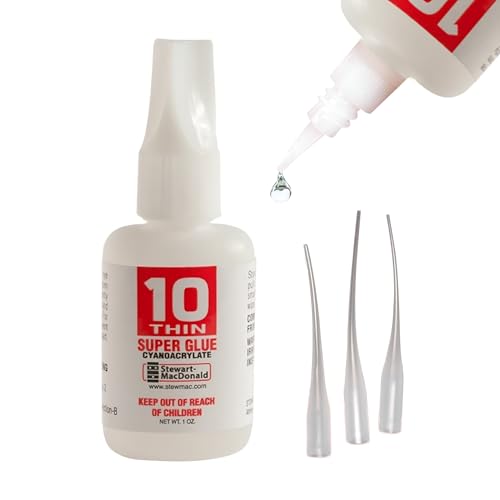
StewMac No. 10 Thin is a water-thin cyanoacrylate adhesive designed for guitar repair. It penetrates tight joints and cracks quickly, making it ideal for finish repairs and small bracing fixes. The fast 3–5 second cure time supports efficient workflow in repair projects, and the kit often includes whip tips and a clog-free stopper to minimize mess. This adhesive is well-suited for micro-precision work where you need a nearly invisible bond and immediate handling strength.
STARBOND Light Brown Medium CA Glue

This premium brown color CA glue is designed for woodworking and guitar work where a natural-looking bond matters. The package includes multiple viscosities and accessories like microtips and clog-free stoppers, enabling precise control for fill, bond, and finish integration. The brown tint helps blend with wood grain, reducing visible glue lines on instrument bodies and inlays, while providing strong, fast-curing bonds for closely fitted joints and decorative work.
Gorilla Wood Glue, Natural Wood Color
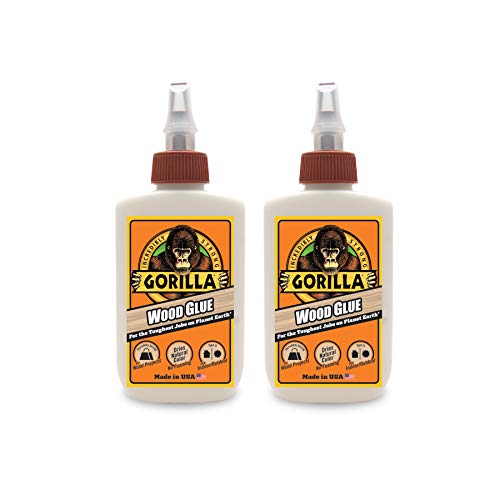
Gorilla Wood Glue provides a versatile, water-resistant option with a natural tan color that blends well with most woods. It offers a longer clamp time window and full cure in about 24 hours, making it suitable for structural repairs or large-scale instrument projects that benefit from a strong, creep-resistant bond. It’s explicitly designed for indoor and light outdoor applications, and its durability makes it a practical choice for guitar repairs that require dependable, enduring joints.
Buying Guide
Key considerations when selecting glue for guitar repair:
- Bond type: For structural joints and bracing, traditional wood glues (PVA) provide strong, impact-resistant bonds; for historical instruments or reversible repairs, hide glue is preferred.
- Drying and curing: Consider working time and clamp requirements. CA glues cure quickly but are brittle; slower-setting options allow more alignment time for precise joints and inlay work.
- Finish compatibility: Choose glues that sand or trim cleanly to avoid finish damage. Brown-tinted CA glues can help blend with wood grain on visible joints.
- Wood compatibility: Most glues work with common guitar woods, but check for recommended species and porosity. Porous woods may require longer open times for complete penetration.
- Reversibility: Hide glue can be reversed with heat and moisture, which is advantageous for instrument setups that may require future adjustments.
- Water resistance: If repairs involve exposure to humidity or outdoor environments, waterproof or water-resistant formulas offer greater durability.
- Application method: CA glues are best for tiny joints and finish repairs; wood glues excel on large surfaces and braces. For veneers or tight-fitting joints, precision applicators and microtips are helpful.
When repairing guitars, balance strength with the ability to preserve original finishes. For classic acoustic guitars, hide glue remains favored by traditional luthiers, while modern sunburst and satin finishes often pair well with PVA wood glues. For quick fixes and inlay work, CA glues with specialized tips enable careful control. For exterior repair on bolt-on or neck joints, waterproof formulations can improve long-term stability.