Finding the right varnish for oil paintings involves balancing protection, gloss level, dry time, and the ability to retouch or revarnish later. The following selections represent popular, professional-grade options that are widely used by artists in the United States. Each product here emphasizes clarity, color retention, and durability, helping to preserve artistic intent over time.
Summary of chosen products
| Product | Brand | Finish | Volume |
|---|---|---|---|
| Gamvar Picture Varnish | Gamblin | Gloss | 8.5 oz |
| Professional Artists’ Gloss Varnish | Winsor & Newton | Gloss | 75 ml |
| Gamvar Pict Varnish Satin | Gamblin | Satin | 4.2 oz |
| Damar Final Varnish | Grumbacher | High-gloss | 2.5 fl oz |
| InstaVar Gloss Varnish | Tusc & Pine | Gloss | 16.9 oz |
Gamvar Picture Varnish By Gamblin — Clear Gloss Finishing Varnish

Gamvar Picture Varnish from Gamblin is a synthetic resin varnish designed to resemble damar varnish in appearance while offering quicker handling and less smell. It provides a clear, protective topcoat that resists yellowing and helps preserve color fidelity. The 8.5 oz bottle is convenient for studio use, and the varnish can be applied sooner than some traditional damar alternatives, reducing wait times for exhibiting or photographing work.
Winsor & Newton Professional Gloss Varnish — Final Protective Finish

This final clear varnish provides a non-yellowing gloss finish with strong UV resistance to help protect oil, alkyd, and acrylic paintings. It is removable with white spirit or distilled turpentine, enabling retouching or revarnishing without damaging underlying layers. The product dries relatively quickly and is formulated to avoid blooming or cracking, making it a reliable choice for professional studios and galleries.
Gamblin Gamvar Pict Varnish Satin — Satin Finish

Gamvar Pict Varnish Satin offers a satin alternative to the gloss finish, providing a softer sheen while maintaining clarity and protection. This varnish is designed to be compatible with oil-based, alkyd, and acrylic paintings, enabling artists to tailor the final appearance of a piece without sacrificing archival stability. The satin option helps reduce glare in certain viewing conditions and can enhance color depth in works with thick brushstrokes.
Grumbacher Damar Final Varnish — High-Gloss Protection

Grumbacher Damar Final Varnish provides a high-gloss, transparent finish that protects completed oil paintings from dirt and scuffing. It dries quickly and is designed for permanence, offering a traditional damar-like appearance with improved handling and archival stability. This option appeals to artists seeking a classic, glassy finish with durable surface protection.
Tusc & Pine InstaVar Gloss Picture Varnish — Archival, Crystal-Clear

InstaVar Gloss by Tusc & Pine is an archival gloss varnish noted for crystal-clear, nearly odorless performance. It enhances color depth, saturates tones, and provides a protective coat that dries within 24 hours. The large 16.9 oz bottle is ideal for studios with multiple works, and the varnish is suitable for oils, alkyds, and acrylics. It can be used as a final varnish or as a retouch varnish for ongoing projects.
Winsor & Newton Artisan Matt Varnish — Matte Protective Layer

Winsor & Newton Artisan Matt Varnish provides UV resistance and a non-yellowing matte finish suitable for artworks created with artisan-grade pigments. This varnish is removable with artisan varnish remover, allowing for future restoration work. Artists should ensure paintings are fully dry before applying, typically waiting several months to months for complete curing.
Liquitex Professional Satin Varnish — Satin, Non-Tacky Finish
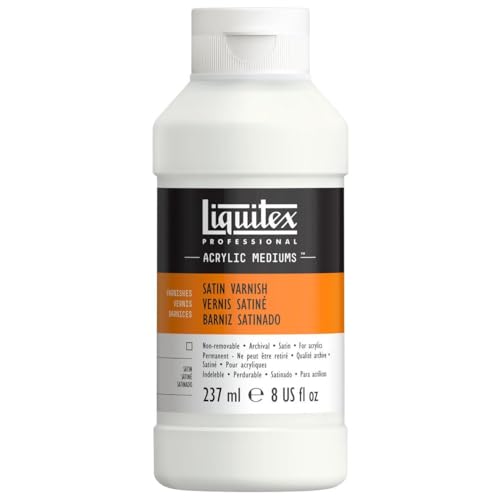
Liquitex Professional Satin Varnish offers a durable, non-removable satin finish that dries to a non-tacky, hard surface. It is designed to be non-yellowing and water-resistant once dry, making it suitable for works displayed in varying light and humidity conditions. The 8-ounce bottle is part of Liquitex’s archival line, intended for long-term stability in galleries and studios alike.
Buying Guide: Key Purchase Considerations
- Finish options: Gloss, satin, and matte varnishes affect how light interacts with painted surfaces. Gloss varnishes emphasize color depth, while satin and matte reduce glare and can minimize reflections in display spaces.
- Removability: Some professionals prefer varnishes that can be safely softened or removed for revarnishing. Consider whether you need a removable coating for restoration or retouch work.
- Drying time and handling: Quick-drying formulas speed up studio workflows, but slower drying varnishes may allow more time to adjust surface details before hardening.
- UV protection and aging: UV-resistant varnishes help prevent color shifting and yellowing over time, especially for works displayed in bright light.
- Compatibility: Ensure the varnish is suitable for oil, alkyd, and acrylic media if you work across media or plan to varnish non-oil components in a piece.
- Color fidelity: Select varnishes designed to minimize color alteration. Synthetic resin varnishes often aim to mimic damar without the strong odor or long cure times.
- Application and safety: Consider spray-based versus brush-on varnishes. Sprays offer even coverage but require ventilation and caution about inhalation.
- Reminders on cure: Most oil paintings need several months to fully cure before varnishing; follow manufacturer guidelines to avoid trapped solvents or surface defects.
When choosing a varnish, artists weigh the desired sheen, protective properties, and restoration needs. Professional options from Gamblin, Winsor & Newton, Grumbacher, Tusc & Pine, and Liquitex cover a range of finishes and application methods, making it possible to tailor a final look that suits a painting’s style and viewing conditions. Always test a small area or a swatch on a study piece to observe how the varnish interacts with your pigments and medium before applying to a completed work.