What’s in this guide
- Brother XM2701: Lightweight, Full-Featured for Apparel
- SINGER 4452 Heavy Duty: High-Speed for Thick Fabrics
- SEDNEE for Beginners: Compact Yet Capable
- Brother XR3774: Quilting and Garment Versatility
- Brother XR9550: Computerized Precision for Garment Making
- Buying Guide: Key Purchase Considerations for Apparel Sewing Machines
Choosing a sewing machine that excels at apparel work means looking for models with reliable stitch variety, smooth fabric handling, and user-friendly features. The following selections focus on versatility for clothing projects, from simple hems to complex garment construction. Each pick is known for solid performance, durable construction, and features that help sewers achieve professional-looking results. Below, you’ll find concise product sections, a quick comparison in the introduction, and a practical Buying Guide to help you decide what to look for when shopping for apparel-focused machines.
| Product | Brand | Key Features |
|---|---|---|
| Brother XM2701 | Brother | 27 stitches, auto needle threader, 6 feet, lightweight |
| SINGER 4452 Heavy Duty | SINGER | Strong motor, 110 stitch options, metal frame, one-step buttonhole |
| SEDNEE for Beginners | SEDNEE | 16 stitches, beginner-friendly, 2-speed, foot pedal control |
| Brother XR3774 | Brother | 37 stitches, wide table, 8 feet, automatic needle threader |
| Brother XR9550 | Brother | 165 stitches, LCD display, wide table, 8 presser feet |
Brother XM2701: Lightweight, Full-Featured for Apparel

The Brother XM2701 offers a versatile set of 27 built-in stitches, including decorative and stretch options, making it suitable for apparel projects from lightweight knits to woven garments. An auto-size buttonhole helps finish garment openings quickly, while the automatic needle threader simplifies setup. The drop-in top bobbin reduces jams, and the included six feet and accessories support a range of tasks from hems to zippers. With its lightweight design, this machine is easy to move and store, ideal for makers who sew clothing in smaller spaces.
SINGER 4452 Heavy Duty: High-Speed for Thick Fabrics

The SINGER 4452 is built for durability with a full metal frame and a powerful motor that pierces multiple fabric layers with ease. It offers 110 stitch applications, including basic, stretch, decorative, and a one-step buttonhole, which is valuable for garment construction and alterations. The top drop-in bobbin with a clear view cover lets you monitor thread supply at a glance, reducing interruptions while sewing. This machine is suited for those who frequently work with heavier fabrics or denim, as well as general apparel projects requiring speed and reliability.
SEDNEE for Beginners: Compact Yet Capable
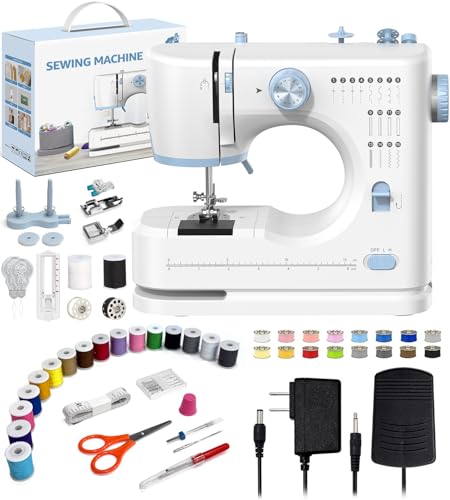
Designed for new sewists and small spaces, the SEDNEE offers 16 built-in stitches with clear threading guides and intuitive controls. The two-speed operation and responsive foot pedal help learners develop control for precise garment seams. This machine suits quick mending, simple alterations, and small fashion projects where portability and ease of use are priorities. It’s a practical entry point for beginners focusing on apparel basics before expanding to more advanced features.
Brother XR3774: Quilting and Garment Versatility

The XR3774 combines sewing and quilting capabilities with 37 built-in stitches and a wide table for supporting garment pieces and quilting projects. Automatic needle threading and a jam-resistant drop-in top bobbin streamline setup, while eight included feet broaden options for hems, zippers, buttons, and decorative stitching. With a dedicated table and robust feature set, this model is well-suited for apparel makers who also pursue quilting or fabric crafts as part of their workflow.
Brother XR9550: Computerized Precision for Garment Making

The XR9550 offers 165 built-in stitches, combining utility, decorative, and alphanumeric options with 8 auto-size buttonholes. A computerized system paired with an LCD display helps guide stitch selection and settings, while the included wide table and eight presser feet support garment construction and embellishment projects. An automatic needle threader and top drop-in bobbin provide convenience for longer sewing sessions, making this machine a strong choice for serious apparel sewists who appreciate precision and variety.
Buying Guide: Key Purchase Considerations for Apparel Sewing Machines
- Stitch variety and purpose: Look for a mix of basic, stretch, and decorative stitches suitable for garments, as well as buttonhole options for easy closures.
- Needle threading and bobbin systems: Automatic needle threaders save time, and a jam-resistant top bobbin or transparent bobbin cover helps manage thread supply efficiently.
- Fabric handling and build quality: A sturdy metal frame improves stitch consistency on heavier fabrics; a wide table aids large garment pieces and quilting tasks.
- Foot options and compatibility: A range of presser feet (zipper, buttonhole, walking foot, blind hem) expands garment construction capabilities. Ensure compatibility with commonly available feet.
- User interface: Computerized or LCD-equipped machines offer guided stitch selection, which can reduce setup errors and improve repeatability for complex garment projects.
- Portability and space: For occasional garment repairs or small studios, consider the machine’s weight and whether a larger table is essential.
- Maintenance and durability: A metal chassis and reliable feed mechanism contribute to longevity and consistent performance over time.
- Budget and long-term value: Balance upfront cost with features that align to your usual apparel projects—consider whether you’ll benefit more from extra stitches, speed, or stability with heavier fabrics.
- Learning curve: Beginners may prefer machines with clear threading guides and intuitive controls, while advanced users might value a broader stitch library and automated features.
- Warranty and support: A solid warranty and accessible customer support help protect your investment through repairs and parts availability.
When selecting among these models, consider how often you sew garments, the types of fabrics you work with, and whether you also pursue related crafts such as quilting. A machine that balances stitch variety, ease of use, and solid construction will typically deliver the most reliable results for apparel projects over time.