What’s in this guide
Choosing a serger that’s friendly for beginners can simplify edge finishing, seams, and hems while offering room to grow. This guide highlights five beginner-friendly serger machines, each matched to common home sewing needs—from simple alterations to decorative edges. Explore practical features, durability, and how they handle different fabrics to help you pick the right starter model.
| Product | Brand | Key Feature |
|---|---|---|
| SINGER X5004-HD Metal Frame Serger | SINGER | 2-3-4 thread options, large cutting knife, durable metal frame |
| SEDNEE Sewing Machine for Beginners | SEDNEE | 16 built-in stitches, beginner-friendly guides, foot pedal control |
| Brother Serger 1034DX | Brother | 1,300 SPM, metal frame, 3-4 thread capability |
| FEIYUE FY505 Serger Overlock | FEIYUE | 2/3/4 thread capability, durable metal frame, rolled hem option |
| American Home AH100 Serger | American Home | Differential feed, 4/3/2 thread options, portable |
Introduction: This selection emphasizes models with clear threading guides, straightforward controls, and reliable stitch quality. Each option supports beginner learners while offering features that facilitate growth into more advanced techniques. Below, five products are reviewed with practical insights to help you compare performance, ease of use, and versatility across common sewing tasks.
SINGER X5004-HD Metal Frame Serger & Overlock

The SINGER X5004-HD features a heavy-duty metal frame designed to minimize vibrations and maintain stitch precision during serging, even with thicker fabrics. It supports 2-, 3-, and 4-thread stitches and includes an adjustable differential feed for smooth edges on fabrics such as knits and wovens. A 60% larger cutting knife enables cleaner cuts through thicker materials, saving time on projects like denim hems or layered fabrics. With 1300 stitches per minute, this model balances speed and control for everyday use and beginner projects.
Key considerations for beginners: The sturdy frame helps with stability while learning. The range of stitch options makes it easy to practice finishing techniques, and the larger knife reduces the effort needed for thick materials. If you anticipate working with heavier fabrics early on, this model offers a robust starting point without sacrificing flexibility.
SEDNEE Sewing Machine for Beginners
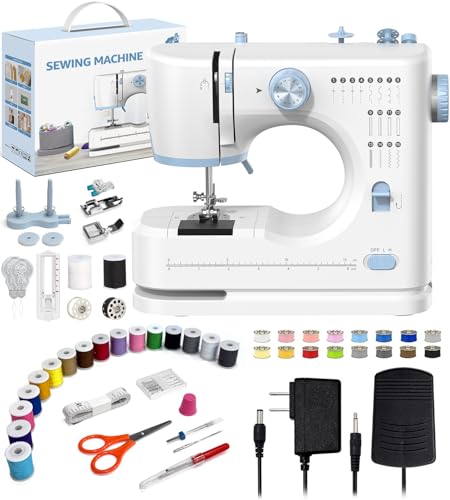
The SEDNEE model is designed for beginners, featuring 16 built-in stitches, clear threading guides, and intuitive controls. While it is marketed as a sewing machine, its compact design and user-friendly operation are ideal for learners who want to practice basic overlocking concepts or complementary stitches on lightweight fabrics. The smart foot pedal provides natural speed control, enabling gradual progression from slow to faster stitching as confidence builds. Its storage drawer and bundled accessories add convenience for home-friendly DIY projects.
Why it matters for beginners: The combination of built-in stitches and straightforward threading reduces setup time, allowing new users to focus on technique. The pedal control fosters precise starts and stops, which is critical when learning edge finishing and seam alignment. If you’re starting with simple repair tasks or small crafts, this model offers a low-risk entry point.
Brother Serger 1034DX

The Brother 1034DX Serger offers a durable metal frame and reliable performance at up to 1,300 stitches per minute. It supports 3- or 4-thread configurations, making it suitable for a range of projects, from seam finishing to lightweight decorative edges. The built-in speed control with the foot pedal helps learners manage stitch quality and avoid fabric distortion during first attempts at overlocking. This model is well-regarded for its balance of robustness and user-friendly operation, appealing to hobbyists expanding beyond basic stitches.
Practical notes for beginners: The metal frame provides stability during practice, which helps learners develop consistent seam finishes. The speed control allows gradual mastery of serging rhythm, reducing skipped stitches or thread jams. If you plan to work with multiple fabric types, this model offers dependable performance across a broad spectrum of project needs.
FEIYUE FY505 Serger Overlock

The FEIYUE FY505 Serger is built with a durable metal frame and supports 2/3/4 thread configurations, offering versatility for finishing and rolled hems. A key feature is the adjustable differential feed, which helps manage fabric fullness for a variety of textiles, reducing puckering on knits and ensuring clean edges on wovens. The higher thread options enable stronger seams for heavier fabrics or decorative detailing. This model suits beginners who want a flexible tool for both basic overlocking and a broader range of projects.
Considerations for new users: The multi-thread capabilities and adjustable feed provide room to experiment with different stitch patterns and fabric types. The strong build supports repeated practice, while the rolled hem capability aids in finishing lightweight fabrics with a professional look. If you’re exploring a mix of repairs and creative sewing, this serger offers solid foundational capabilities.
American Home AH100 Serger

The American Home AH100 Serger emphasizes portability and ease of use for beginners, offering a 4/3/2 thread capability with a differential feed. It’s designed for straightforward setup and operation, including a color-coded threading system to help new users select the appropriate configuration for their fabric. The inclusion of a sewing accessory kit adds practical tools for beginners who are building a full starter sewing station. The lightweight design makes it convenient for learners who may need to move their machine between spaces.
Buying considerations for this model: Portability and simple threading systems reduce initial friction when learning serging basics. The differential feed helps control fabric handling, particularly when working with stretchy knits or slippery fabrics. For learners aiming to complete a variety of projects without a heavy machine, this option offers an approachable starting point with room to grow.
Buying Guide: Key Purchase Considerations
- Thread options and stitch versatility: Beginners benefit from 2-, 3-, and 4-thread configurations to master edge finishing, hemming, and decorative seams. A wider selection can increase learning opportunities without overwhelming the user.
- Differential feed: This feature helps manage fabric fullness and prevents puckering on knits or warping on woven fabrics. A user-friendly dial or slider is ideal for beginners.
- Frame and durability: A metal frame generally offers more stability and longevity, reducing vibration and improving stitch consistency during practice.
- Ease of setup and threading: Clear guides, color-coded threading, and pre-threaded options simplify initial use, enabling quicker learning and fewer frustrations.
- Speed control: A foot pedal with adjustable speed helps learners progress from careful practice to efficient stitching without sacrificing control.
- Accessories and support: Starter kits, extra needles, and a protective cover or storage options contribute to a better learning experience and long-term value.
- Fabric compatibility: Consider the types of fabrics you plan to work with (knits, denims, lightweight wovens) and choose a serger that handles a mix of materials gracefully.
- Portability and space: For learners with limited space or a need to move the machine, a lighter or more compact model can be advantageous while still delivering solid performance.
In summary, the best beginner serger should blend stability, straightforward threading, and adaptable stitch options. Prioritize models with durable construction, clear guides, and a comfort level that matches your learning pace. As you gain confidence, you’ll be ready to explore more advanced settings and techniques with fewer limits on fabric types and finishes.