What’s in this guide
Choosing the right pencil grips can help improve handwriting by promoting proper finger placement, reducing fatigue, and supporting steady control. This guide highlights five top options and explains how each design supports different ages and needs. Use the buying guide to compare features like material, grip style, and ease of use, and pick the grip that best fits a child’s development stage or an adult’s writing routine.
| Product | Brand | Notes |
|---|---|---|
| The Pencil Grip Original Pencil Grippers | The Pencil Grip | See product sections for details |
| JuneLsy Pencil Grips for Kids | JuneLsy | See product sections for details |
| The Pencil Grip 3-Step Training Kit | The Pencil Grip | See product sections for details |
| Mr. Pen Pencil Grips for Kids Handwriting (20 PCS) | Mr. Pen | See product sections for details |
| Stylo Pack of 6 Pencil Grips | Stylo | See product sections for details |
The Pencil Grip Original Pencil Grippers

Designed by a doctor, these pencil grips are built for universal use across ages and hand dominance. The “one size fits all” approach makes them popular for toddlers learning to hold a pencil and adults seeking added comfort. The soft, latex-free material delivers a natural feel that supports a relaxed grip. The patented Tripod Grip encourages correct finger positioning, which can contribute to more efficient writing mechanics and reduced fatigue over time. This versatility makes the grips useful in classrooms, homes, and therapy settings.
Key benefits include compatibility with multiple writing tools beyond pencils, such as primary pencils, pens, crayons, markers, and even paint brushes. The ergonomic design aims to be a long-term solution, not just a temporary aid, and its simple application minimizes disruption to writing flow. Whether used as a training aid or a permanent grip, users may notice steadier control and less hand strain during longer writing sessions.
JuneLsy Pencil Grips For Kids
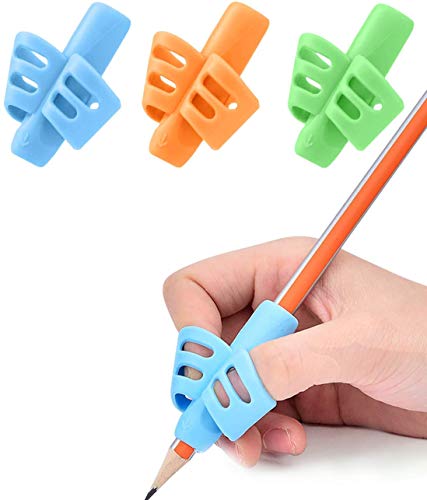
JuneLsy grips focus on helping kids position and hold pencils correctly, with a fit designed for small hands. Suitable for ages around 3-7, these grips are intended to prevent awkward finger cocooning and reduce fatigue during writing practice. The soft silicone construction provides a comfortable touch, and the grips are designed to encourage a confident grip habit that can support legible handwriting as children progress through early education.
Usage tips emphasize consistent practice: students should use the grips during writing tasks to reinforce correct finger placement and relaxed hand posture. The colors and simple design can also add a playful element to handwriting sessions, increasing willingness to practice. While primarily targeted at children, the grips may offer benefit to learners with fine motor challenges when used as part of a broader writing program.
The Pencil Grip 3-Step Training Kit

This set includes three distinct grips—the Crossover Grip, the Pinch Grip, and the Standard Pencil Grip—designed to guide users through a progressive training plan. Created for both kids and adults, the kit supports a transition from initial training to a comfortable, long-term grip on pencils, pens, crayons, and more. The ergonomic design accommodates various writing tools, making it a flexible solution for classrooms, homes, and therapy settings. The dual purpose of training and permanent use helps address a range of handwriting needs.
In practice, users may start with the Crossover Grip to establish proper finger placement, then evolve to a Pinch Grip for finer control, and finally settle into the Standard grip for everyday writing. This approach can aid in developing a stable tripod grip over time, potentially improving endurance and legibility as writing tasks increase in duration or complexity.
Mr. Pen Pencil Grips For Kids Handwriting (20 PCS)

This kit provides a broad set of silicone grips across multiple colors, accompanied by paper clips for added utility. The packaging includes 10 grips in five colors plus 10 clips, offering variety to accommodate different preferences among children or classroom groups. The silicone gel material is designed to be soft, sanitary, and free of odors, with the aim of reducing writing fatigue and irritation while promoting a comfortable hand position during longer writing sessions.
Advantages include quick adoption for beginners and flexibility for repeated use. The assortment makes it suitable for households, schools, and therapy programs where different grips may be assigned to learners with diverse needs. The product’s emphasis on comfort and fatigue reduction aligns with handwriting practice goals and can support steady progress over time.
Stylo Pack Of 6 Pencil Grips
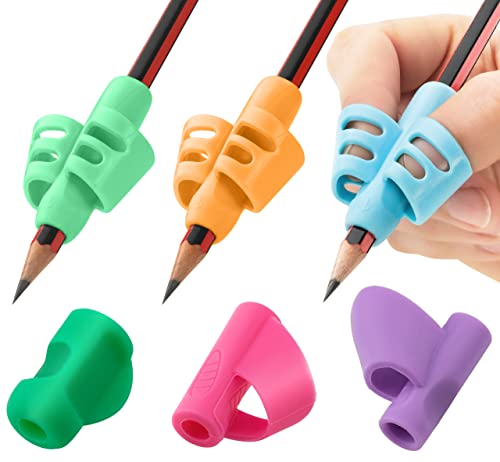
Stylo’s pack is designed for kids learning to write and for individuals who benefit from a lighter, comfortable grip. The grips are made from soft silicone and are ambidextrous, suitable for both left- and right-handed users. A hollow design helps reduce sweating during long writing sessions, while a snug fit at the tip supports accurate letter formation. The set includes multiple colors to appeal to children and make handwriting practice more engaging.
These grips are described as safe for various age groups, including toddlers and older learners, with an emphasis on reducing hand fatigue and improving grip comfort. The array of colors and the flexible design make them a practical option for classrooms, homeschooling environments, and therapy settings where durable, reusable grips are preferred.
Buying Guide
- Material and Comfort: Look for soft, latex-free silicone or gel materials that minimize hand fatigue and skin irritation. A smooth inner surface can reduce rubbing and chafing during long writing sessions.
- Grip Style and Size: Consider whether you need a classic tripod-style grip, a pinch grip, or a training kit with progressive stages. Ensure the size fits the user’s hand and age, especially for toddlers and beginners.
- Ambidextrous and Left/Right Compatibility: If multiple users share grips, prioritize ambidextrous designs that work for both left-handed and right-handed writers.
- Versatility: Some grips fit not only pencils but primary pencils, pens, crayons, and markers. Expanded compatibility can extend the life of the grip and its utility across activities.
- Training vs. Long-Term Use: Training kits that guide users through stages can help develop the correct grip, while permanent grips provide ongoing comfort. Consider whether the goal is habit formation or immediate relief.
- Durability and Cleaning: Reusable grips should withstand frequent handling and be easy to clean. Silicone-based grips generally tolerate washing without losing shape or grip.
- Color and Engagement: Colorful grips can increase a child’s enthusiasm for writing. For classroom use, bulk packs with multiple colors may be advantageous.
- Evidence and Design Intent: Grips designed by medical or educational professionals often emphasize proper finger positioning and ergonomics, which can be beneficial for persistent handwriting challenges.
In choosing a pencil grip, consider the user’s age, current handwriting posture, and the goal—whether to train a proper grip or simply add comfort for longer writing sessions. A trial period with a couple of different grips can help identify the most effective option without committing to a single design. For classroom or therapeutic use, a mix of grips may address diverse needs and learning styles while supporting consistent handwriting practice.