Choosing the right paper is essential for soft pastels, shaping how colors blend, layer, and hold. The following selections represent widely used options among artists for texture, tooth, and archival quality. This guide highlights five top pads and papers that work well with soft pastels, oil pastels, and mixed media, keeping a balance between price, durability, and performance. Each entry includes key features to help you compare at a glance.
| Product | Brand |
|---|---|
| Strathmore 400 Series Pastel Pad, 9″x12″, Glue Bound | Strathmore |
| Canson Mi-Teintes Pastel Paper, Earth Tones, 9×12 | Canson |
| U.S. Art Supply Pastel Paper Pad, 9″x12″, 32 Sheets | U.S. Art Supply |
| Uart Sanded Pastel Paper, 9″x12″, Off-White | Uart |
| Clairefontaine Pastelmat Glued Pad, 7 x 9.5″ | Clairefontaine |
Strathmore 400 Series Pastel Pad
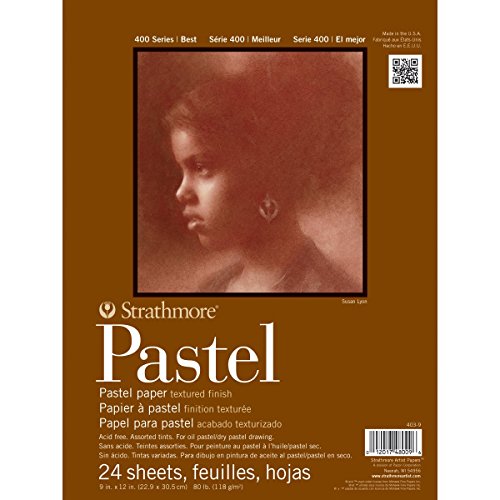
The Strathmore 400 Series Pastel Pad is designed for pastel work with a textured surface that helps grip soft pastels. This 9″x12″ glue-bound pad contains 80 lb./118 gsm paper that remains acid-free for archival quality. It provides versatile handling for layering and blending, making it a reliable choice for students and hobbyists alike.
Canson Mi-Teintes Pastel Paper, Earth Tones

Canson Mi-Teintes is a classic choice for pastels, recognized worldwide for its suitability to drawing and crafts. The Earth Tones foldover pad at 9×12 inches uses gelatin-sized, 50% cotton stock with a textured surface. Its inherent color and resistance to fading support vibrant layering and long-term preservation of artwork.
U.S. Art Supply 9×12 Pastel Paper Pad (2 Pack)

This 2-pack includes 32 sheets of 80 lb. (180 gsm) textured pastel paper in four neutral tones, ideal for both vibrant color work and toned ground studies. The mixed-media friendly surface enhances pastel and oil pastel applications, offering reliable tooth for pigment adhesion and blend control.
Uart Sanded Pastel Art Paper
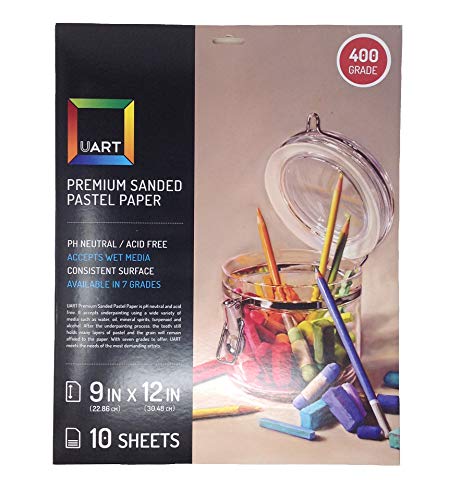
Uart Sanded Pastel Art Paper offers a grade 400 option with archival-friendly, acid-free stock. Its off-white color and sanding provide a napped surface that grabs soft pastels and colored pencils, supporting rich layering, smooth blending, and durable mark-making across multiple sessions.
Clairefontaine Pastelmat Glued Pad

Pastelmat is known for a velvety surface with a painterly tooth that accepts soft, buttery pastel marks. The Palette No. 7 set includes multiple tones and a glues-bound pad design, enabling clean portability and versatile blending while maintaining control over pigment build and layering on textured paper.
Canson Mi-Teintes Pastels Paper Pad (12×16)

Another Mi-Teintes variant provides a foldover pad in a larger format (12×16) that continues the brand’s legacy for pastel work. With gelatin sizing and cotton content, the paper resists fading and supports long-term color stability across layers, blending, and corrections.
Canson Mi-Teintes Pastels Paper Pad 9×12

This 9×12 pad from Canson Mi-Teintes offers assorted colors and a dependable surface for pastel techniques. The 24-sheet format emphasizes color variety and experimentation, making it suitable for students exploring different substrates and textures in pastel work.
GR DZPLUS Oil Pastel Paper

GR DZPLUS Oil Pastel Paper provides a heavyweight option at 123 lb/200 g with a neutral pH. Although marketed for oil pastels, its thicker texture makes it a solid choice for layering and blending with soft pastels, offering durability for rigorous mark-making and smear-free finishes.
Buying Guide: Key Purchase Considerations
- Tooth and texture: Higher tooth surfaces grip soft pastels more readily, aiding layering and color intensity. Softer papers are ideal for blending; rough papers create more dramatic textures.
- Weight and durability: Heavier papers (80 lb to 180 gsm and up) withstand multiple layers and erasing cycles without tearing, especially important for larger works.
- Color and tone: Light, neutral, and colored grounds affect perceived color vibrancy and blending. Consider archival white or off-white grounds for long-term pieces.
- Cotton content and sizing: Papers with cotton content and gelatin or acid-free sizing tend to offer better longevity and color adhesion, reducing fading over time.
- Surface compatibility: Soft pastels perform well on textured surfaces; glassy or smooth papers are better for contours and fine details but may require more layering.
- Format and portability: Pads and foldover sheets vary in convenience. Glue-bound and spiral options are easier for plein-air or classroom use, while loose sheets suit studio setups.
- Price vs. value: While premium papers offer superior tooth and archival quality, budget-friendly options can handle practicing techniques and early stage studies effectively.
- Color range: Neutral and earth-tone papers can influence color harmony, especially when experimenting with complementary palettes and underpainting effects.
When selecting paper, consider your preferred pastel type (soft, hard, or oil), typical scale of work, and whether you value archival longevity or ease of use for practice. The listed options provide a spectrum of textures, sizes, and tonality to fit various workflows.