What’s in this guide
Choosing the right painting paper or palette paper can influence the outcome of a piece, whether you work with watercolors, acrylics, oils, or mixed media. This guide highlights five highly compatible options that suit classroom projects, at-home studios, and professional practice. Each choice balances texture, weight, and moisture control to help you achieve cleaner edges, richer color, and less bleed-through. Read on to compare features, sizing, and suitability so you can pick the best paper for painting projects across media.
Below is a quick overview of the selected products, showing their brands, sizes, and core qualities at a glance to help you navigate this guide more efficiently.
| Product | Brand | Size | Type | Key Feature |
|---|---|---|---|---|
| Strathmore 100 Series Youth Paint Pad | Strathmore | 9 x 12 inches | Tape-bound pad | USA-made, top-bound tape binding |
| Colorations Art Paper 9 x 12 | Colorations | 9 x 12 inches | Painting & Craft Paper | Soak-resistant with sizing for classroom use |
| Melissa & Doug Finger Paint Paper Pad | Melissa & Doug | 12 x 18 inches | Coated paper pad | Two large pads, coated on both sides |
| Strathmore 300 Series Canvas Paper Pad | Strathmore | 9 x 12 inches | Glue-bound pad | Canvas-textured surface for oils and acrylics |
| Hapikalor Watercolor Paper Pad | Hapikalor | 9 x 12 inches | Watercolor pad | Heavyweight 140 lb/300 gsm, cold-pressed |
Strathmore 100 Series Youth Paint Pad
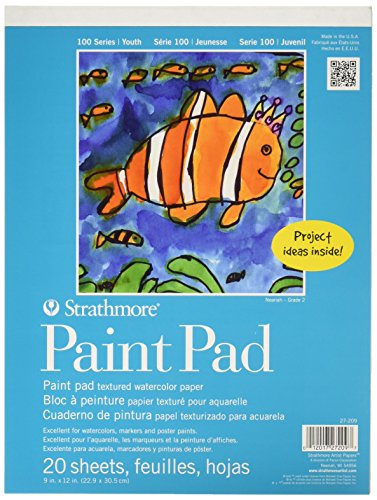
The Strathmore 100 Series Youth Paint Pad is a beginner-friendly, tape-bound option designed for practicing painting techniques. Sized at 9 by 12 inches, the pad includes 20 sheets of sturdy paper suitable for finger paints, tempera, and watercolors when used by younger artists or beginners. The top tape binding keeps sheets neatly aligned during use and tearing, which reduces disruption in a busy classroom or at-home project session. Although marketed toward younger painters, this paper provides reliable surface texture for light washes and color layering, making it a practical training pad for various wet-media explorations.
Key considerations include the paper weight and medium compatibility. While this pad is affordable and easy to manage, it may not withstand heavy layering with thick acrylics or oil paints. It best serves water-based media and light texture work where bleed-through is manageable and control is essential for learning basic brush techniques. For educators or families introducing painting to kids, the Strathmore 100 Series offers a gentle introduction with consistent performance across many simple projects.
Colorations Art Paper 9×12

Colorations Art Paper provides a soak-resistant surface designed for classroom activities and crafts. The 9-by-12 sheets include sizing that helps paints stay on the surface rather than soaking through to the table, making it suitable for finger paint, watercolor, tempera, markers, and mixed media. The sizing also supports neater blending and reduced bleed-through, which can be especially helpful for students experimenting with wet-on-wet and layered color techniques. The 100-sheet package offers broad utility for art rooms, homeschool projects, and large-scale color experiments.
From a practical perspective, this paper balances cost with a resilient surface that still feels forgiving for beginners. It is not intended for heavy oil painting or deep texturing, but it works well for watercolor washes, tempera layering, and marker drawings. The broad versatility supports a wide range of creative exploration, helping young artists build confidence through consistent results and less mess.
Melissa & Doug Finger Paint Paper Pad

The Melissa & Doug Finger Paint Paper Pad features two top-bound pads in a large 12-by-18-inch format, with 50 sheets per pad. The coated paper on both sides helps prevent color bleed-through, making it ideal for finger painting and direct application of wet media. This setup accommodates bigger hand movements and more ambitious projects, especially in family studios or classrooms where children engage in collaborative works. The coated surface also simplifies cleanup and reduces paint seepage onto work surfaces, which can be beneficial for busy environments.
As with any coated paper, the padding and coating can influence texture. It performs well with a variety of finger paints, tempera, and light acrylics, but heavy acrylic layering or oil paints may require thicker, more specialized paper. The product’s large format supports more expansive artwork and fosters comfortable drawing and painting experiences for young artists learning color mixing and composition.
Strathmore 300 Series Canvas Paper Pad
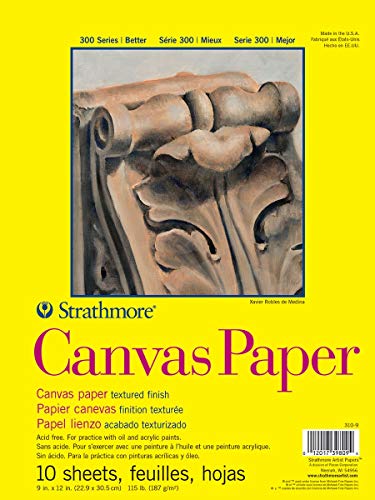
The Strathmore 300 Series Canvas Paper Pad mimics the look and texture of canvas with a canvas-textured surface suitable for oil and acrylic practice. This 9-by-12-inch glue-bound pad contains 10 heavyweight sheets identical in weight and texture, designed to resemble canvas once painted. The canvas-like surface helps artists study brushwork, layering, and blending without committing to a full canvas. The glue binding keeps sheets neat, and the texture supports better grip for brushstrokes, making it a practical option for students and hobbyists exploring acrylic or oil techniques in a controlled, portable format.
Limitations include its lighter sheet count and the glue binding, which may affect the ability to keep sheets perfectly flat when using heavier paints. For painters focusing on experimentation with textures, color mixing, and technique development, this pad offers a convenient stepping stone between traditional paper and canvas panels while keeping costs manageable.
Hapikalor Watercolor Paper Pad

The Hapikalor watercolor pad is designed specifically for watercolor and mixed-media work, featuring 140 lb (300 gsm) cold-pressed paper in a 9-by-12-inch format. Each pad contains 20 sheets, providing ample surface area for washes, gradients, and layered glazing. The heavyweight, neutral white paper minimizes unwanted color shifts and supports crisp line work with pencils, pens, and markers when dry media is introduced. Cold-pressed texture is well-suited for both subtle washes and more pronounced brushwork, making this pad a versatile option for students and color-focused artists alike.
Considerations include the need for proper sealing when using highly saturated washes to prevent cockling and warping. The thicker paper can hold more water, aiding color purity and blending. For artists who rotate between graphite drawing and watercolor, this pad offers a balanced surface that supports a range of techniques while maintaining portability and affordability.
Buying Guide: Key Purchase Considerations
When choosing paper or pad options for painting, several factors influence performance and results. Consider the following perspectives to inform a well-rounded decision:
- Medium compatibility: Watercolor, acrylic, oil, and mixed media each require different paper weights and textures. Watercolor typically benefits from heavier, textured stock, while smooth papers suit ink, markers, and line work.
- Paper weight and texture: Heavier weights (e.g., 140 lb/300 gsm) resist buckling when wet and provide better archival properties. Canvas textures on paper can mimic traditional canvas and influence brush marks.
- Binding and format: Tape-bound, glue-bound, and top/bottom bindings affect sheet handling and tearing. Larger formats are better for expansive scenes, while smaller pads support portable sketching and practice.
- Bleed-through and coating: Soak resistance and coatings prevent paint from seeping to the next page, an important feature for classrooms or multi-technique projects.
- Cost versus durability: Classroom packs are cost-efficient, but professional-grade pads may offer superior texture and longevity. Weigh budget against expected use, media type, and learning goals.
- Environment and safety: Look for papers labeled acid-free or archival to ensure long-term preservation of artworks. For kids and school settings, non-toxic coatings and easy cleanup are valuable.
For educators and hobbyists, a mix of pads provides flexibility: starter pads with cost-efficiency for practice, and heavier, textured sheets for more serious projects. It’s common to pair watercolor-friendly pads with coated finger-paint and tempera papers to accommodate a full range of media in a single studio setup. When selecting, consider how often you’ll move between media, whether you need portability for classes, and how much you value ease of cleanup versus texture fidelity.