What’s in this guide
Choosing the right paper can transform the fountain pen writing experience. The following five selections are chosen for their compatibility with fountain pen inks, minimal feathering, and pleasant writing feel. From France to Japan, these papers blend texture, whiteness, and durability to suit journals, letters, and art alike.
Product Summary
| Product | Brand | Type | Notes |
|---|---|---|---|
| Kobeha Graphilo Fountain Pen Paper | Kobe school plan | A5 Loose Sheets | Light-cream, unruled, ink-friendly |
| Clairefontaine Triomphe Stationery | Clairefontaine | Ruled tablets | Extra white, smooth, ideal for calligraphy |
| Lochby A5 Notebook | LOCHBY | Notebook, Tomoe River | 68gsm, fountain pen friendly |
| Nakabayashi Yu-sari A5 Notebook | Nakabayashi | Plain notebook | Ultra-smooth, quick-drying |
| Midori Stationery Paper | Midori | Unruled | Beautiful balance, fountain pen ready |
Kobeha Graphilo Fountain Pen Paper

The Kobeha Graphilo paper is designed specifically for fountain pen inks. This A5, light-cream paper offers 50 loose sheets of unruled stock. Its cream shade helps reduce glare and feathering, making it suitable for long-form writing, journaling, and note-taking with a variety of nib sizes. The paper’s texture provides a smooth glide for both fine and broad nibs, supporting clean lines and legible handwriting. Its loose-sheet format allows easy removal and organization, a feature favored by planners and flagged notes alike.
Sakae Blotting Paper For Ink

The SAKAE blotting paper is crafted from bamboo and is acid-free, designed to quickly absorb excess ink. This makes it an excellent companion for calligraphers, journal writers, and artists who frequently test nibs or lay down bold strokes with fountain pens. The quick-absorbing properties help prevent smudging on subsequent pages, while the natural fiber composition supports a clean, tame finish without excessive feathering on many papers. A compact 5.6 x 8.1 inch size fits palette and desk setups well.
le vent Lined A5 Hardcover Notebooks

The le vent Set of 2 Lined Bound Notebooks offers A5, 200-page cream paper with 100 gsm stock. It features lay-flat binding, making both sides usable for fountain pen writing. The 8.2 x 5.5 inch footprint makes them portable while maintaining a generous writing surface. The pages are designed to be fountain pen friendly, reducing bleed-through and feathering, enabling neat notes, journals, and daily planning. The sturdy hardcover adds durability for on-the-go writing sessions.
Nakabayashi Yu-sari A5 Plain Notebook

Nakabayashi’s Yu-sari notebook emphasizes premium paper that complements fountain pen inks with an ultra-smooth texture and quick-drying properties. The A5 format is ideal for travel journals, meeting notes, and personal diaries. The paper’s surface is engineered to minimize feathering and bleeding when paired with high-quality inks, delivering crisp lines and a pleasant writing experience. The brand’s reputation in fountain pen communities underlines its reliability for daily use.
Clairefontaine Triomphe Stationery
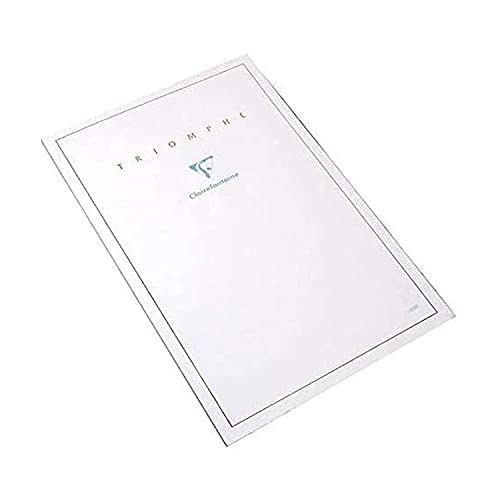
Clairefontaine Triomphe is celebrated for Vélin velouté 90 g/m² paper with an exceptionally smooth finish and extra-white tone. This 50-sheet ruled tablet supports precise handwriting, calligraphy practice, and crisp letter writing. It is widely considered one of the premier choices for fountain pens due to its resistance to feathering and bleed-through. The paper’s even surface suits fine nibs and broad nibs alike, delivering clean strokes and vibrant impressions for professional correspondence and artistic lettering.
Midori Stationery Paper For Beautiful Letters

Midori’s unruled stationery is designed to showcase the balance of handwritten letters with a subtle underlay that helps guide your strokes. While marketed simply as paper, its compatibility with fountain pen inks emphasizes clean lines and quick-drying capability. The paper’s balance between opacity and brightness supports show-through management, making it suitable for personal correspondence and practice sheets where ink sheen matters. The branding highlights a focus on writing aesthetics as well as practical performance.
Buying Guide: Key Purchase Considerations
When evaluating paper for fountain pen use, consider the following factors to align your choice with your writing style and nib preferences.
- Paper Weight and Texture: Heavier weights (80-90 gsm and above) generally resist bleeding and feathering. Smoother textures like Clairefontaine and Tomoe River reduce friction for finer nibs, while slightly textured papers can enhance line character with broader nibs.
- Ink Compatibility: Check for feathering resistance and bleed-through. Papers designed for fountain pens often advertise “no feathering” or “bleed-free” properties and work well with both dye and pigment inks.
- Color and Brightness: Light-cream or neutral-white stocks reduce glare and may improve legibility. Brighter papers can highlight ink colors more vividly but may feel harsher on the eyes for long writing sessions.
- Format and Bindings: Loose sheets offer versatility for archiving and grading, while bound notebooks provide structure and durability. Lay-flat bindings are particularly helpful for uninterrupted writing across both pages.
- Environment and Durability: Recycled or bamboo-based papers can offer eco-friendly options, though it’s important to verify surface quality and ink compatibility. Acid-free papers preserve handwriting over time and reduce yellowing.
- Size and Portability: A5, 5×8, or field-notebook formats balance ease of transport with adequate writing space. Choose sizes that fit your daily routine, whether journaling, letter writing, or sketching with ink.
- Intended Use: Calligraphy practice, formal correspondence, and sketching with ink each benefit from different surface textures and opacity. Consider your primary activity to select the most suitable stock.
Additional Considerations
Beyond raw performance, readers should assess availability, compatibility with different pen points, and personal preference for page layout. For those who test nibs frequently, blotting sheets or blotted testing paper can prevent accidental smudges. For travel or field work, compact formats and durable bindings help sustain writing quality in varied environments. Always test a small swatch when trying a new paper to ensure your specific ink and nib pairing meets expectations.