Polyurethane finishes demand brushes that deliver smooth, even coats with minimal brush marks. The following hand-picked brushes are known for their compatibility with polyurethane, varnish, and other clear finishes, offering clean picks, consistent release, and precise control. This guide compares features, bristle types, and handle designs to help you choose the right tool for furniture, cabinetry, and outdoor projects.
| Product | Brand | Key Benefit |
|---|---|---|
| Wooster 3103-2 Foam King | Wooster | Smooth polyurethane foam for no-brush-mark finishes |
| Magimate 3-Inch Wide Brush | Magimate | Double thick chip brush with wide coverage for varnishes and stains |
| Wooster Q3211-2 Shortcut Angle Sash | Wooster | Compact maneuverability in tight spaces with angled tip |
| Wooster 5222-2 Silver Tip | Wooster | Very soft feather-stroke finish for delicate coatings |
| Genixart 3-Inch Chip Brush | Genixart | Wide coverage for varnish, stain, and limewash tasks |
Wooster 3103-2 Foam King Paintbrush
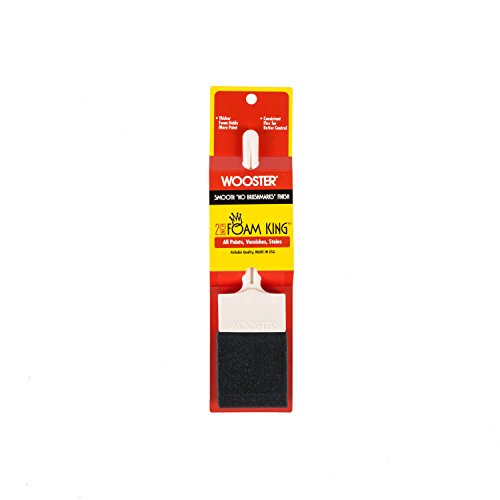
The Wooster Foam King uses thick polyurethane foam designed for varnishes and paints, delivering a noticeably smooth finish with minimal visible brush strokes. The white plastic handle includes a built-in stiffener blade to help maintain consistent flex, ensuring neat, uniform results when applying polyurethane over wood surfaces. This brush is a solid option for furniture refinishing or cabinetry where a flawless top coat is essential. Bristles are designed to resist shedding, which helps keep finishes pristine over multiple coats.
Magimate 3-Inch Wide Chip Brush
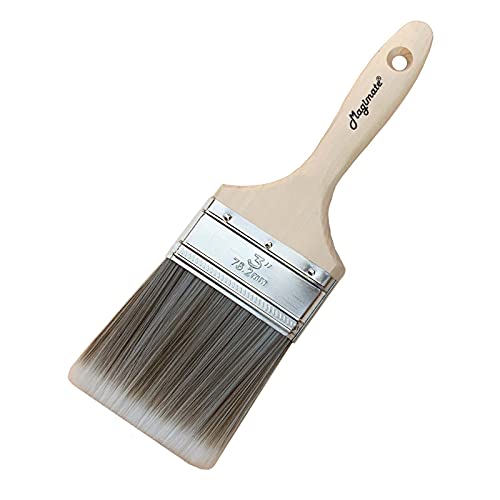
This flat 3-inch brush is designed for large surface coverage, ideal for varnishing or staining furniture, fences, and walls. The double-thick chip brush uses soft yet firm synthetic bristles, providing strong paint pick-up and smooth release to minimize lap marks. It handles gloss, enamel, and polyurethane finishes with durable bristles secured by epoxy, making it versatile for both interior and exterior projects. While economical, it offers solid performance on wood, plaster, and masonry surfaces where a broad, even coat is desired.
Wooster Q3211-2 Shortcut Angle Sash

The Q3211-2 combines a compact 2-inch bend with a flexible purple Shergrip handle, enabling precise control in tight corners and around details where polyurethane layers must be applied carefully. The white nylon blend bristles ensure compatibility with a range of coatings, while the brass-plated ferrule adds durability. This brush is well-suited for edge work on furniture edges, trim, and cabinetry where a narrow, consistent stroke matters for a flawless finish.
Wooster 5222-2 Silver Tip Paintbrush

The Silver Tip combines white and silver CT polyester bristles to create a very soft formulation and feather stroke finish. The chisel trim provides controlled edge work, making it suitable for fine polyurethane tasks on cabinetry or decorative wood surfaces where a delicate touch is needed. The stainless or brass ferrule adds support for repeated use without losing shape, helping maintain a smooth surface coat across multiple applications.
Genixart Double Thick Chip 3-Inch Brush

The Genixart 3-inch brush features a big chip design ideal for broad sweeping coats of varnish, polyurethane, or gesso. It’s designed for both interior and exterior use on furniture, fences, and walls, with bristles capable of handling water- and oil-based finishes. The wide head reduces the number of passes required on large surfaces, while the wood handle provides a comfortable grip for extended sessions of staining or varnishing. Its economical construction makes it a practical choice for DIY projects and quick refinishing jobs.
Buying Guide: Key Purchase Considerations
- Bristle material and finish: Polyurethane and oil-based finishes typically respond well to nylon, polyester, or natural bristles. Softer bristles yield feathered edges, while stiffer bristles provide faster coverage on rough surfaces.
- Brush size and coverage: Larger widths (2–3 inches) cover more area per stroke, reducing application time on tables, doors, and panels. Narrow options excel for trim, corners, and joints.
- Handle design: Ergonomic handles and compact “short” styles improve control in tight spaces. Built-in stiffeners or reinforced blades help maintain shape and consistent application.
- Durability and cleanup: High-quality brushes resist bristle shedding and ferrule deformation. Consider washability for repeated polyurethane usage, especially on furniture projects.
- Intended application: For large flat surfaces, wide chip brushes reduce cycles. For detailed edges and trim, angled or short-handled brushes offer precise control.
When selecting a polyurethane brush, aim for a balance between coverage speed and control. For thin coats and delicate finishes, opt for softer bristles and feather-light strokes. For dense coats or glossy varnishes, slightly firmer bristles can help push material into pores without leaving brush marks. A few high-quality brushes can cover most projects, while a couple of dedicated specialty brushes excel in tight areas or edge work.