When precision matters, a quality thin-cutting brush can make the difference between a clean edge and a smeared line. This guide highlights five highly regarded brushes designed for cutting in trim, edging walls, and achieving sharp lines in both latex and oil-based paints. Each pick offers distinct advantages, from compact handles for tight spaces to precision tips and durable bristles for repeated use. Read on to compare features and find the best brush for your next painting project.
| Product | Brand | Key Benefit |
|---|---|---|
| Wooster Q3211-2 Shortcut Angle Sash | Wooster | 2-inch, maneuverable for tight corners |
| Purdy Clearcut Angular Trim Brush | Purdy | Stiff bristles for well-defined lines |
| Zibra Precision Detail Brush | Zibra | 2-inch angled tip for precise cuts |
| Pro Grade 3-Pack Angle Brushes | Pro Grade | Multiple sizes for flexibile cutting in |
| ROLLINGDOG Detail Trim Set | ROLLINGDOG | 4-pack with dedicated edging and trim brushes |
Wooster Q3211-2 Shortcut Angle Sash Brush

The Wooster Q3211-2 Short Cut Angle Sash Brush is built for precision in tight spaces. Its 2-inch cutting edge is paired with a flexible purple Shergrip handle designed to reduce hand fatigue and improve maneuverability when painting around trim, outlets, or corners. The brush uses a white nylon and gold polyester blend bristle with a brass-plated steel ferrule for durability. This combination allows for smooth paint pick-up and steady control, making it a solid choice for crisp edge work on both walls and ceilings.
Purdy Clearcut Angular Trim Brush
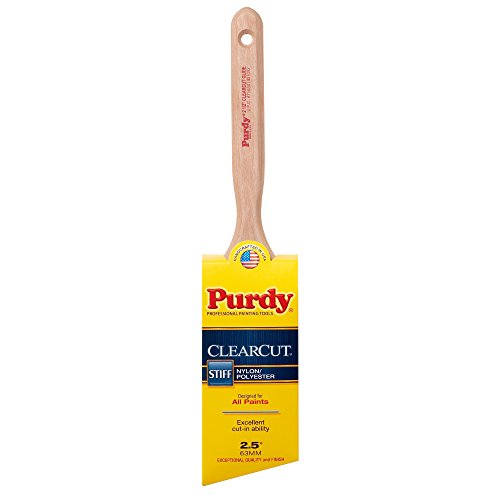
Purdy Clearcut brushes are designed for clean, well-defined lines with precise cut-in abilities. The stiff Tynex nylon and Orel polyester-blend bristles support consistent performance across all paints and primers. Lightweight construction with a stainless steel ferrule and moisture-wicking alderwood handle offers precise control and quick cleaning. These brushes excel in cutting in near trim, doors, and window frames, delivering a professional finish for DIY projects or seasoned painters.
Zibra Precision Detail Paint Brush, 2-Inch

The Zibra Precision Detail Brush emphasizes control for cutting in around trim, outlets, and tight spaces. Its 2-inch angled tip supports smooth, accurate lines and is compatible with all types of paints and stains. Built with a durable aluminum insert and epoxy-glued construction, this Pro-Grade brush is designed for longevity and repeated use. The angled shape helps painters achieve consistent edge quality on walls, cabinets, and furniture where precision matters most.
Pro Grade 3-Pack Angle Brushes

This Pro Grade 3-Pack provides three 2-inch angle brushes optimized for cutting-in tasks across interior and exterior projects. The brushes feature a thicker synthetic filament blend to hold more paint and reduce streaks, delivering a premium finish on walls, trim, and cabinets. Designed for durability and easy cleaning, the set is suitable for latex and oil-based paints. The thinner tip at the ends improves control for sharper lines along edges and corners.
Bates Trim Brush Set, 3-Pack

The Bates Trim Brush Set offers three brush sizes (5/8″, 3/4″, and 1″) with ergonomic handles designed for extended use. Each brush has finely bristled ends to ensure smooth, consistent application near trim and edges. The ergonomic grip minimizes fatigue during detailed work, making these brushes a practical option for DIY projects, cabinetry, and finish work where control is essential.
Buying Guide: Choosing The Right Cutting-In Brush
Purpose and edge definition: For sharply defined lines, prioritize brushes with stiff bristles and angled edges that help you lay paint precisely along trim and corners. Angled sash brushes are specifically designed for this task and are often the most reliable choice for clear cut-ins.
Brush construction and materials: A blend of nylon and polyester bristles tends to balance paint hold, stiffness, and cleanup ease. Stainless steel ferrules improve durability, while comfortable handles reduce fatigue during long sessions. Consider whether you’ll use water- or oil-based paints, and choose bristles that perform well with your paint type.
Size and rigidity: Smaller sizes (1–2 inches) offer superior control in tight spots, while larger angles cover trims more quickly. Stiffer bristles support consistent lines with minimal feathering, especially with latex paints. A slightly flexible tip can help adapt to uneven surfaces without pulling away from trim edges.
Durability and maintenance: Look for brushes that withstand repeated washings and retain their shape after use. Pro-grade construction often includes robust bristle bonds, corrosion-resistant ferrules, and solid handles. Proper cleaning and drying extend brush life, preserving cutting accuracy over time.
Use case variety: If your project involves a mix of walls, doors, cabinets, and trim, a set with multiple sizes offers flexibility. For DIYers focusing predominantly on trim cutting, a high-quality 2-inch angled sash brush can be the most efficient single-tool solution.
Price vs. value: While premium brushes carry higher upfront costs, they typically deliver cleaner edges and longer life. For frequent projects, investing in a reliable angled brush or a dependable set can reduce time spent correcting lines and improve overall results.
Additional Considerations
- Environment: If you’ll be painting in damp or humid spaces, choose brushes with moisture-resistant handles and rust-resistant ferrules to extend life.
- Finish quality: Brushes with stiffer bristles create crisper lines but may require more care during cleanup. Softer bristles offer smoother edges but can leave slight feathering on difficult substrates.
- Compatibility: Ensure the brush works well with the type of paint (latex, oil, stain) and primers you plan to use. Some bristle blends are optimized for particular paints and surfaces.
- Maintenance workflow: Rinse thoroughly after use, reshape bristles, and lay flat or hang bristles up to dry. Proper maintenance prevents bristle splaying and preserves edge sharpness.