Choosing the right paint brush for cutting in ceilings can dramatically improve edge definition and reduce cleanup time. This guide highlights five top picks that balance control, bristle quality, and comfort, helping you achieve clean lines along ceilings, corners, and adjoining walls. Each brush is evaluated for precision, compatibility with common paints, and ergonomic design to minimize hand fatigue during long projects.
| Product | Brand | Key Benefit |
|---|---|---|
| Wooster Q3211-2 Shortcut Angle Sash | Wooster | Compact 2″ angle for tight spaces |
| Purdy Clearcut Angular Trim | Purdy | Stiff bristles for precise cut-ins |
| Zibra Precision Detail Brush | Zibra | Pro-grade, smooth control for edges |
| Richard Elegance Trim Brush | Richard | Three sizes included for varied trim work |
| PinStone 2-Inch Angled Brush Set | PinStone | Synthetic, short-handle, ready for tight spots |
These selections cover a range of edge-drawing needs from small cut-ins near crown molding to broader but precise ceiling edges, ensuring you have the right tool for every corner. Below, explore each product in detail, including build quality, bristle materials, and how they perform on typical ceiling paints.
Wooster Q3211-2 Shortcut Angle Sash Paintbrush

The 2-inch shortcut angle brush from Wooster combines a flexible purple Shergrip handle with a compact profile, designed specifically for cutting in in tight spaces. The white nylon and gold polyester blend bristles handle a variety of paints and primers, while a brass-plated steel ferrule keeps bristles securely aligned for consistent edge lines. Ideal for navigating corners or ceilings where larger brushes would struggle.
Purdy Clearcut Angular Trim Brush

Purdy’s Clearcut line is engineered for well-defined lines and precise cut-in work. The stiffer Tynex nylon and Orel polyester-blend bristles provide reliable edge control across all paints and primers. Lightweight with stainless steel ferrules and moisture-wicking alderwood handles, this brush is built for both DIYers and professionals who demand clean, crisp edges around ceilings and trim.
Zibra Precision Detail Brush, Pro Grade

Designed for precision, Zibra’s 2-inch angled detail brush offers smooth coverage for tight lines and trim. It is suitable for all paints and stains, with a pro-grade construction featuring durable aluminum inserts and a robust epoxy bond. The precision tip enables exact control next to trim, doorways, and outlets, making it a strong choice for ceiling cut-ins where accuracy matters most.
Richard Elegance Trim Brush, 3-Pack
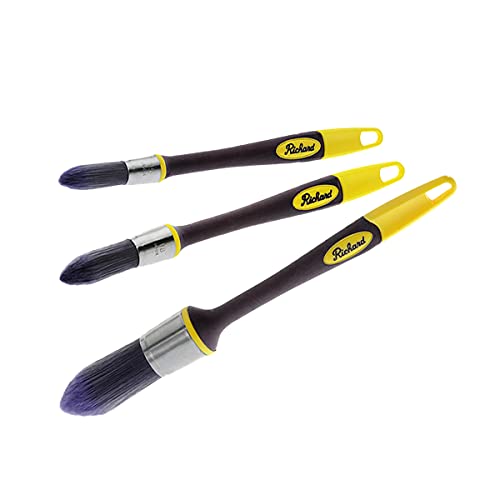
This three-pack from Richard includes 5/8″, 3/4″, and 1″ trim brushes, designed for high-precision edging on ceilings and windows. The set emphasizes best finishes and fast paint pick-up and release. With no-shed bristles and moisture-wicking handles, these brushes maintain control across varying trim tasks and edge lengths, making them versatile for multi-size ceiling cut-ins.
PinStone 3 Pack 2-Inch Angled Set

PinStone offers a compact 3-pack of 2-inch angled brushes with synthetic bristles and a short rubber grip handle. The set aims for smooth finishes with minimal shedding and is suitable for cutting in along ceilings and around trim. The short handle enhances control in tight spots while the synthetic filaments hold paint well for steady application.
Buying Guide: Key Considerations for Ceiling Cutting-In Brushes
- Brush angle and size: For ceilings, tighter angles require smaller, angled brushes (1.5–2 inches) to maintain edge control without overshooting onto walls.
- Bristle material: Stiff bristles (e.g., Tynex nylon blends) excel for trim and cut-ins, delivering crisp lines, while softer bristles can cause feathering in tight spaces.
- Ferrule and handle: A durable ferrule prevents shedding and keeps bristles aligned. An ergonomic, short handle improves grip and reduces fatigue during long sessions.
- Paint compatibility: Ensure the brush works with common ceiling paints and primers (latex and oil-based). Some brushes are optimized for latex; others handle primers with ease.
- Maintenance: Look for shed-resistant filaments and easy cleanup. Synthetic bristles generally resist moisture and deformation better than natural bristles in modern paints.
- Set practicality: If you’re tackling varied trim sizes, consider a multi-pack that covers 5/8″ to 2″ options to minimize brush swapping mid-project.
- Durability vs. price: Professional-grade brushes may carry a higher upfront cost but offer longer life and more consistent performance across multiple projects.
- Comfort for long sessions: A comfortable grip and balanced weight reduce hand fatigue for ceilings that require extended cut-ins.
- Edge control in corners: Look for brushes with compact profiles and precise, angled heads to prevent paint from creeping onto adjacent walls.
- Maintenance routine: After use, rinse according to bristle type, reshape bristles, and store bristles off-angled to prolong life.