Opera and musical theater themes offer engaging, memorable melodies that suit beginner piano players. This article highlights five accessible titles that introduce famous opera and Broadway tunes with beginner-friendly arrangements. Each choice provides a gentle entry point into classic motifs, while building technique and musicality. Use the table below to compare options, then explore the five guided product sections for practical details and learning notes.
| Product | Brand | Key Feature |
|---|---|---|
| PreTime Piano: Classics – Primer Level | Faber Piano Adventures | Kid-friendly beginner arrangements with famous opera themes |
| Andrew Lloyd Webber – The Phantom Of The Opera Easy Adult Piano Songbook | Hal Leonard | Beginner-friendly arrangements with lyrics and chords |
| Phantom of the Opera – Easy Piano Songbook | Hal Leonard | 9 Broadway classics including signature tunes |
| Czerny – Practical Method for Beginners On Pianoforte, Op. 599 | G. Schirmer, Inc. | Foundational technique and scales (non-operatic focus) |
| The Library of Easy Piano Classics | Music Sales | Extensive classical repertoire for early-intermediate players |
These selections balance accessibility with recognizable themes, helping new players stay motivated as they progress through repertoire that echoes opera’s dramatic and lyrical style.
PreTime Piano Classics – Primer Level

This beginner book focuses on easy arrangements of famous opera themes, making familiar melodies approachable for kids and early elementary players. The primer-level content supports building hand position, rhythm, and basic interpretation without overwhelming technical demands. The pieces emphasize musical storytelling through clear phrasing and a gentle introduction to dynamic shaping. Although the book is marketed toward younger students, its tunes appeal to all new pianists who want to start with recognizable opera-inspired material.
Key learning notes:
– Simplified melodies designed for early technique stages.
– Familiar themes from classic operatic and theatrical repertoire.
– Focus on phrasing and steady tempo to reinforce listening skills.
Andrew Lloyd Webber The Phantom Of The Opera Easy Adult Piano Songbook

This beginner-friendly songbook provides simplified arrangements for an electronic keyboard, with lyrics and chords to guide accompaniment. The collection features a selection of songs from the Phantom of the Opera musical, enabling adult players to work through recognizable melodies while reinforcing basic left-hand patterns and chord progressions. The ease of notation supports quick-starts, while the lyric integration can assist with phrasing and vocal alignment for those who sing while playing.
Key learning notes:
– Easy arrangements tailored for adult beginners.
– Lyrics and chords included for flexible performance.
– Focus on coordination between melody and simple harmony.
Phantom Of The Opera Easy Piano Songbook
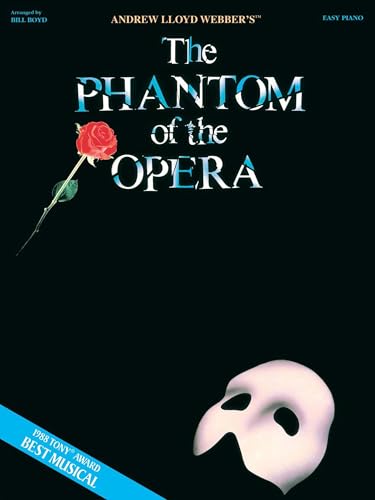
This easy piano collection assembles nine Broadway classics from Phantom of the Opera, including The Music of the Night, Think of Me, and All I Ask of You. It is suitable for beginners and progressing players who want to tackle more intricate passages gradually. The book’s selections encourage expressive pedal use, dynamic contrasts, and phrasing that mirrors the dramatic character of the original score. The range of songs helps learners explore different moods within the same musical universe.
Key learning notes:
– A curated set of widely recognized tunes from Phantom.
– Progressively challenging sections for gradual growth.
– Encourages expressive playing and musical storytelling.
Czerny Practical Method for Beginners Op. 599
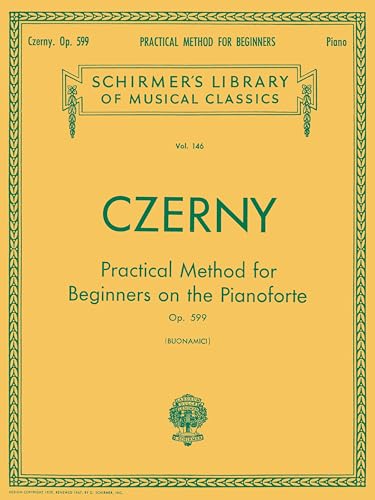
This classic method book emphasizes piano technique and exercises suitable for beginning students. While not opera-specific, it plays a crucial role in developing finger independence, posture, and scales, which directly benefit any repertoire, including opera-themed pieces. Students often pair technical studies with repertoire from other sections to create a balanced practice routine. The 56-page volume serves as a concise technical foundation for learners who want to build confidence before tackling more complex arrangements.
Key learning notes:
– Core technique builder focusing on scales and finger control.
– Short, manageable exercises for daily practice.
– Complements repertoire with a solid technical base.
The Library Of Easy Piano Classics

This large collection provides an extensive easy piano repertoire that bridges classical themes with approachable arrangements. Although labeled intermediate in some editions, many selections are playable by late-beginner to early-intermediate students. The book’s breadth allows learners to experiment with phrasing, articulation, and musical expression across multiple composers and eras. It’s a practical option for those who want a broader taste of classical themes before moving into more complex opera transcriptions.
Key learning notes:
– Wide variety of classical tunes in easy-to-play formats.
– Good for building consistency across left-hand and right-hand parts.
– Encourages musical literacy and historical context.
The Easiest Easy Piano Songs

This volume gathers 50 popular tunes across genres, including pop, Broadway, and movie themes, arranged in easy piano format. For beginners exploring opera-inspired material, it provides approachable melodies that cultivate confidence with hands-together playing and rhythm reading. Although not strictly opera-focused, the accessible formats and recognizable tunes make it a useful supplement for reinforcing technique while enjoying familiar favorites. Learners can progressively tackle more challenging passages as their skills improve.
Key learning notes:
– Broad repertoire with simple, singable melodies.
– Great for quick wins and sustained motivation.
– Supports gradual progression toward more complex arrangements.
Buying Guide: Key Purchase Considerations
-
<liSkill level alignment
<liSong familiarity
<liNotation and arrangement complexity
<liBalance of technical work and repertoire
<liQuality of accompanying materials (lyrics, chords, pedaling guidance)
When selecting opera-themed beginner material, consider how you learn best. If you prefer structure and technique, combine a technical method (like Czerny) with an easy repertoire collection (such as The Library Of Easy Piano Classics or The Easiest Easy Piano Songs). If your focus is singing along or playing by feel, choose songbooks with lyrics and straightforward chord symbols. For a dramatic, entertainment-focused experience, Phantom of the Opera titles offer recognizable melodies to motivate consistent practice. Finally, ensure the book’s level matches your current skills, and progressively challenge yourself with gradually more complex pieces.
Cross-reference the included features with your goals: musical expression, technique development, and repertoire breadth. Rotating among the five selections can provide a well-rounded foundation for beginner pianists seeking opera- and theater-inspired material without being overwhelmed by difficulty.