For quilters seeking reliable performance, durability, and specialized features, Juki offers a range of models designed to handle intricate quilting projects with ease. This guide highlights five top options, explaining what makes each machine a strong choice for quilting enthusiasts and how they compare on key factors like stitch variety, automation, and build quality. Whether you’re layering quilts, free-motion quilting, or sewing a mixed-media project, these Juki machines are built to deliver consistent results.
| Product | Brand | Key Strength |
|---|---|---|
| TL-2010Q | JUKI | Automatic thread trimming and knee lifter for hands-free operation |
| HZL-F600 | JUKI | Extensive stitch library with user-friendly LCD |
| HZL-F300 | JUKI | Versatile 106-stitch set with free-arm capability |
| TL-18QVP-COL | JUKI | Industrial-grade build with platinum aesthetic and micro-lifter |
| Haruka TL18QVP | JUKI | Quilting-friendly mechanism, bright adjustable lighting |
TL-2010Q: High-Performance Quilting Machine
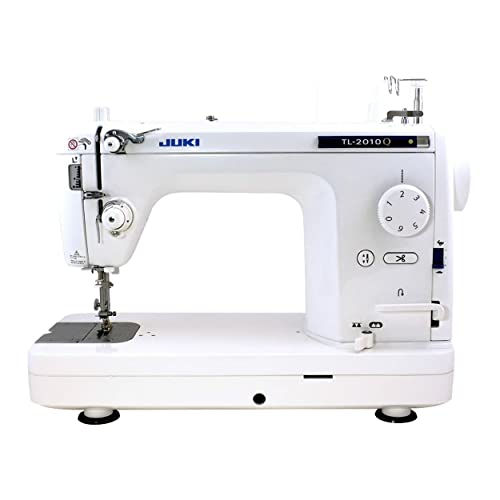
The Juki TL-2010Q is a single-needle, lockstitch model engineered for quilting and home decor projects. It features an automatic thread trimming system that quickly cuts both needle and bobbin threads after every seam, reducing interruptions. A knee lifter lever lets you raise or lower the presser foot without using your hands, while a high presser-foot lift (up to 12mm) helps manage thick fabrics or multiple layers with ease. The machine’s straightforward operation is ideal for quilters who value speed, precision, and minimal fuss during long quilting sessions.
Key considerations: The TL-2010Q excels in straight-line quilting and dense top-stitching tasks. Its portability is a plus for classes or studio-to-table transportation. Some users may want additional accessories for free-motion quilting, but the core features deliver solid, consistent performance on quilts and sturdy home decor projects.
HZL-F600: Advanced Computerized Quilting

The Juki HZL-F600 brings a comprehensive set of 255 built-in stitches, including basic, decorative, stretch, and lettering options, making it versatile for quilting and apparel alike. Its user-friendly LCD screen shows the selected stitch, and a straightforward stitch selector makes choosing patterns quick. An automatic needle threader simplifies setup, and the machine is designed to minimize jam-prone threading, helping quilters maintain momentum during large projects and dense stitching tasks.
Key considerations: The LCD interface aids visual planning, and the broad stitch assortment supports creative quilting designs. For quilters who appreciate automated conveniences, the HZL-F600 balances ease of use with a wide range of stitch aesthetics. Those focusing primarily on free-motion work might pair it with a free-motion foot and extension table for best results.
HZL-F300: Reliable Free-Arm Quilting

The Juki HZL-F300 is a full-size machine in the Exceed series crafted for both sewing and quilting. It offers 106 stitch patterns along with multiple fonts and a free-arm for seamless control around cuffs, sleeves, and quilt interiors. The automatic electronic sensor-controlled buttonholes enhance garment construction but also benefit quilted projects that require consistent buttonhole patterns for decorative details or closures.
Key considerations: The F300’s blend of versatility and user-friendliness suits quilters who want dependable stitch options without a heavy industrial footprint. The machine is well-suited for intermediate to advanced hobbyists who value a robust but approachable model for mixed-media quilts and home textiles.
TL-18QVP-COL Platinum Collectors Edition

The TL-18QVP-COL Platinum Collectors Edition emphasizes industrial-grade build quality with a distinctive platinum finish. It includes features like a float function (micro-lifter) to lift the needle plate slightly for precise fabric handling and dense quilting layers. This model is designed for quilters who demand stability, durability, and a professional-grade feel, especially for long-running projects or dense topstitching patterns.
Key considerations: The Platinum edition appeals to serious quilters and professionals who want a refined look and robust performance. While it may be heavier and less portable, its precision-oriented mechanics and micro-lifter can improve stitch consistency on thick batiks and layered quilt sandwiches.
Haruka TL18QVP: Light-Enhanced Quilt Workhorse

The Haruka TL18QVP White Aluminum portable model integrates quilting-friendly features with adaptations from industrial mechanisms. It offers improved handling for quilts and velvet, preventing uneven stitches. The presser foot floats from 0 to 2mm to accommodate thicker seams, and a dedicated attachment mounting plate supports fabric guides and other tools, extending the machine’s service life. A variable light brightness setting ensures consistent visibility across different fabrics and under varying studio lighting conditions.
Key considerations: The Haruka TL18QVP is a versatile option for quilters who value portability without sacrificing quilting stability. It suits hobbyists seeking a balanced machine for both quilting and garment construction, especially when working with thick or layered fabrics in a home studio environment.
Buying Guide: Practical Considerations For Choosing A Juki Quilting Machine
When selecting a Juki machine for quilting, consider how you work best and what projects you plan to tackle. The following points help compare models effectively:
- Stitch Library: More stitches are useful for decorative quilting or complex borders. LCD displays can simplify stitch selection and preview choices.
- Automation: Features like automatic thread trimming and needle threading save time on long sessions but evaluate whether you value these conveniences for your routine.
- Free-Arm And Access: A free-arm is essential for cuffs, sleeves, and small quilted elements. A robust plate and extension options improve work with large quilts.
- Quilting Tolerances: Look for micro-lifter or float functions if you frequently work with multiple fabric layers or thick batting. This reduces drag and uneven stitches.
- Lighting: Adjustable, bright lighting helps detect tension issues and maintain consistent stitches across dark fabrics or dense quilts.
- Portability vs. Durability: Industrial-grade or hybrid machines offer durability for frequent use, but weigh considerations against your workspace and transport needs.
- Maintenance: Consider ease of service, availability of replacement feet, and accessories from the brand ecosystem to ensure long-term usability.
In summary, the TL-2010Q provides strong quilting performance with practical automation for speed, while the HZL-F600 and HZL-F300 broaden stitch options and ease of use. The TL-18QVP-COL and Haruka TL18QVP cater to quilters seeking premium builds with specialized features that support detailed, multi-layer quilts. Each model targets different priorities—portability, stitch variety, or industrial-grade stability—allowing quilters to pick a machine that best fits their typical projects and studio setup.