What’s in this guide
Choosing the right heat press can make or break sublimation projects. This guide highlights five reliable models that balance ease of use, performance, and value for American crafters, hobbyists, and small businesses. Each option supports fast heating, even temperatures, and versatile transfer capabilities for apparel, mugs, hats, and more. Read on to compare features, workflows, and what to consider before buying.
| Product | Brand | Highlights |
|---|---|---|
| HTVRONT Auto Heat Press Machine for T Shirts – 15×15 | HTVRONT | Auto press, auto release, up to 1″ thickness |
| Fancierstudio Digital Heat Press 15×15 | Fancierstudio | Digital control, 0-500°F, 110V |
| HTVRONT Auto Heat Press 2 – 15×15 | HTVRONT | Adjustable pressure up to 80 kg, fast heat-up |
| HTVRONT Heat Press Machine 15×15 – Swing Away | HTVRONT | 180° swing-away, even heat distribution |
| VEVOR 2 in 1 Heat Press Machine 15×15 | VEVOR | Two platens (T-shirt and cap), 360° swing |
Product sections below present each model with a quick overview, key features, and transfer performance notes to help you decide which heat press best fits your sublimation goals.
HTVRONT Auto Heat Press Machine for T Shirts – 15×15
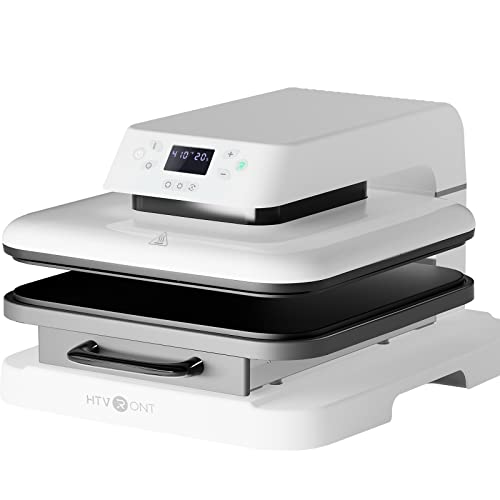
The HTVRONT Auto Heat Press Machine is designed to simplify transfers while delivering consistent results. Its auto press and auto-release features reduce hands-on time, and it accepts items up to 1 inch thick. The 15×15 platen heats quickly and evenly, supported by an NTC thermistor sensor and dual-tube heating system to minimize temperature drift. Four fast modes, two custom modes, and an auto mode offer flexible workflows for sublimation, vinyl, and other heat-transfer projects. This model is well-suited for busy crafters who value reliability and efficiency.
Key considerations: ease of use with auto features; compatible thickness range; heating uniformity across the platen; quick heat-up to typical sublimation targets (e.g., 320–410°F). This unit aims to balance beginner-friendliness with professional-quality transfers, making it a solid all-around choice for shirts and simple multi-item runs.
Fancierstudio Digital Heat Press 15×15
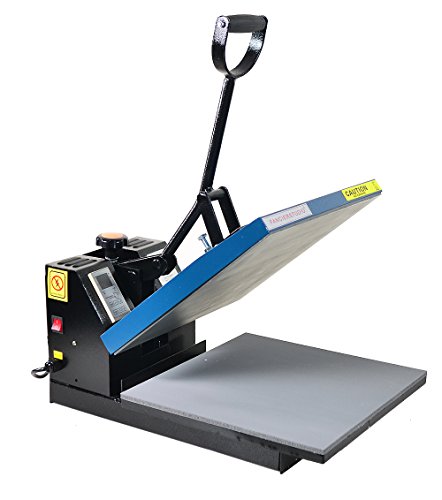
The Fancierstudio Digital Heat Press 15×15 emphasizes straightforward, reliable control with a 110V power setup and a wide 0–500°F range. Its electronic time and heat control help maintain transfer accuracy, while the clampshell design and standard 15×15 platen support a range of sublimation projects from apparel to home décor items. The unit’s compact profile and simple interface make it a practical entry point for crafters expanding into heat transfers beyond basic t-shirts.
Key considerations: digital readouts for precise timing and temperature; material compatibility with common sublimation substrates; build quality and platen uniformity at a budget-friendly price point. For users prioritizing a simple, predictable workflow without advanced automation, this model is a dependable option.
HTVRONT Auto Heat Press 2 – 15×15

HTVRONT Auto Heat Press 2 focuses on adjustable pressure and taller heat-press height to handle thicker or bulkier items. The 15×15 platen remains standard for shirts, while a higher clamp height accommodates multilayer designs or bulkier fabrics. The heat-up is rapid thanks to a dual-tube heating engine, with temperature stability designed to maintain consistent transfers. The ability to dial in up to roughly 80 kg (170 lb) of pressure supports various transfer styles, including DTF-compatible projects.
Key considerations: pressure control range for different substrates; ability to press thicker items (up to 4.5 cm stated in some models); even heat distribution to prevent ghosting or uneven transfers. Suitable for users who work with diverse materials and require precise pressure adjustments for quality outcomes.
HTVRONT Heat Press Machine 15×15 Swing Away

This HTVRONT model emphasizes a swing-away design, which helps minimize burn risk and improves transfer alignment. The 180-degree swing-away plate provides extra maneuvering space for placing designs precisely, while a pressure adjustment feature helps tailor the transfer to different fabrics. With a 15×15 platen and robust heating capability, this machine aims to deliver consistent sublimation results across a range of heat-transfer projects, including complex multi-layer designs and larger quantities.
Key considerations: swing-away ergonomics and safety; plate-to-workspace clearance; consistency of heat distribution during larger runs. Ideal for users who value a workflow that prioritizes accuracy and control during transfers.
VEVOR 2 in 1 Heat Press Machine – 15×15

VEVOR’s 2-in-1 design combines a 15×15 shirt platen with a separate cap platen, plus a 360-degree swing-away mechanism. This versatility supports a broad range of sublimation projects—from tees to hats and small accessories. The unit uses a dual-tube heating system and a silicone-based liner to promote even heat distribution and reduce edge temperature variance. The integrated safety features and alarm remind users when transfers are finished, aiding efficient multitasking in busy workspaces.
Key considerations: 2-in-1 capability for shirt and cap projects; 360-degree swing value for safer design placement; insulation and coating reduce possible surface heat issues. A practical choice for makers who regularly run multiple product types in a single session.
Buying Guide
When selecting a heat press for sublimation, several factors determine long-term satisfaction and results. Consider your primary projects, available workspace, and how much you value automation versus hands-on control.
- Platen size and flexibility: A 15×15 inch platen covers most apparel and small items. If you plan mugs, tumblers, or caps, models with extra cap platens or multi-plate options (like 8-in-1 or 2-in-1 setups) add versatility.
- Heat distribution and temperature range: Look for a unit with fast warm-up, uniform heat across the platen, and a temperature range that comfortably exceeds typical sublimation needs (roughly 320–410°F / 160–210°C).
- Pressure control: Adjustable pressure helps transfer fidelity across fabrics and thicknesses. Heavier pressure can improve color vibrancy on dense fabrics; lighter pressure may suit delicate materials.
- Automation vs. manual control: Auto-release and auto-done features save time but may come at a price premium. Manual heat presses with timer control can be more affordable and reliable for experienced users.
- Safety and durability: 180° swing-away designs reduce burn risk, while good insulation and safety features (auto-off, emergency stop) protect users during longer sessions.
- Ease of use and maintenance: Consider units with straightforward interfaces, clear temperature readings, and simple platen changes. Regular cleaning and parchment-felt replacement help maintain transfer quality.
- After-sales support and compatibility: Check for warranty terms, replacement parts, and availability of accessories such as additional platens and mats for different substrates.
For small businesses, evaluating total cost of ownership is essential. Beyond the purchase price, factor in energy use, potential productivity gains from faster heat-up times, and the frequency of replacement parts like Teflon sheets and spare platens. For hobbyists, prioritize ease of learning curves, safety features, and the ability to produce consistent, repeatable results across projects. In all cases, tuning your settings to your specific materials—polyester, cotton blends, and coated substrates—helps maximize transfer quality and longevity of your equipment.