What’s in this guide
Moss mounting and terrarium projects benefit from glues that are safe for plants, aquatic life, and moisture-rich environments. The following products are selected for their versatility in attaching moss to rocks, wood, gravel, and other substrates, while remaining resistant to water and humidity. The list emphasizes quick-drying formulas, non-toxicity, and strong, discreet bonds suitable for indoor displays and aquascapes.
| Product | Brand | Best Use |
|---|---|---|
| Gorilla Max Strength Construction Adhesive | GORILLA | Clear, waterproof, gap-filling for moss on stone/wood |
| 1DFAUL Aquarium Glue | 1DFAUL | Safe for fish and plants; quick-drying for aquascapes |
| Hygger CO2 Aquarium Glue | Hygger CO2 | Gel-based, strong adhesion; cures underwater |
| Aquarium Glue by Bellisinno | Bellisinno | Clear reef adhesive; water-safe and fast-curing |
| 3 PCS Aquarium Glue by EIGTWEN | EIGTWEN | Non-toxic, safe for freshwater and saltwater; versatile use |
Gorilla Max Strength Construction Adhesive
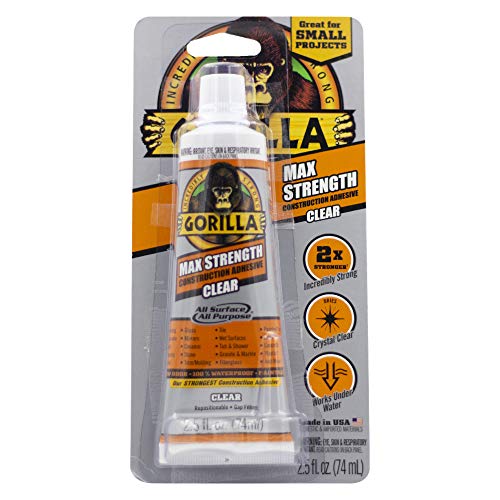
Features: This heavy-duty adhesive is described as 2x stronger than Gorilla Heavy Duty. It is crystal clear when cured, enabling discreet bonding of moss to stones, driftwood, or substrates in terrarium or aquascape setups. The formula is waterproof and designed for indoor or outdoor projects, forming a Gorilla Tough bond even under water. Suitable for gap filling and quick-setting applications where a transparent seal is desired.
1DFAUL Aquarium Glue

Features: Aquarium-safe glue designed to fix living plants and moss to surfaces within fish tanks. It stabilizes plantings or moss in coral/scenic arrangements. The product emphasizes safety for fish and invertebrates, non-toxicity, and suitability for both saltwater and freshwater environments. Easy to apply in dry environments and requires careful handling to minimize odor before tank filling.
Hygger CO2 Aquarium Glue

Features: This glue is fish-safe and suitable for both freshwater and saltwater aquascapes. It has a gel texture for easy placement and minimizes flow. It cures underwater and reaches partial strength quickly, enabling moss, coral, or plant attachments to bind firmly to rocks, wood, or substrate. The product notes caution about excess residue and recommends wiping the nozzle after use.
Aquarium Glue by Bellisinno

Features: This clear reef adhesive is designed to be fish-and-plant safe and usable in both fresh and saltwater. It aims to create strong bonds for moss, coral, shells, and wood while remaining transparent after curing. The application guidance highlights using a small amount to avoid white residue and ensuring proper curing under water or on surfaces.
3 PCS Aquarium Glue by EIGTWEN
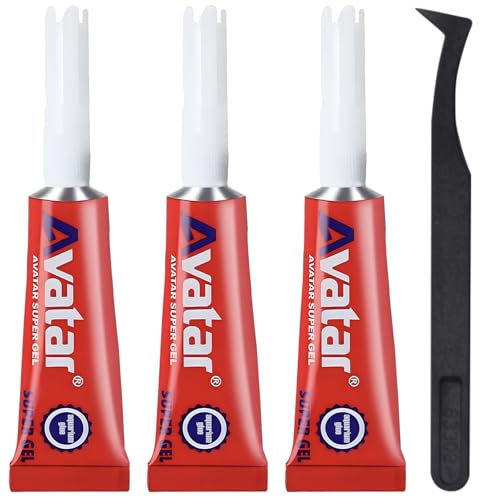
Features: A set of three aquarium-safe glues designed for underwater use, including moss and plant attachments. Emphasizes non-toxicity and safety for fish and aquatic life, with usage guidance indicating flexibility to use in both freshwater and seawater environments. Curing times range from a few seconds to a short final setting, depending on application.
Buying Guide
- Water Compatibility: For moss in aquariums or wet terrariums, choose glues labeled aquarium-safe or designed for underwater use to avoid harming aquatic life.
- Dry vs. Wet Curing: Some formulas cure underwater, others set faster on dry surfaces. Consider your project’s water exposure and desired drying time.
- Clarity and Aesthetics: Clear or crystal-clear adhesives are preferred when you want the bond to be invisible, especially on light-colored moss or delicate substrates.
- Non-Toxic Formulations: Ensure the product is non-toxic to fish, invertebrates, and plants. Check MSDS or label guidance for safety notes.
- Substrate Compatibility: Moss bonds well to rock, wood, glass, shells, and resin. Assess whether the glue adheres well to your chosen substrate and environmental conditions (humidity, salinity, temperature).
- Bond Strength vs. Flexibility: Landscaping and aquarium glues vary in rigidity. For moss that may grow or move with water flow, a flexible bond can reduce stress and cracking.
- Application Tips: Use small amounts, avoid excess glue to minimize white residue, and secure moss with tweezers or pins during initial curing for precise placement.
- Shelf Life and Storage: Keep caps sealed and store in a cool, dry place to preserve gel consistency and prevent premature curing.
- Certification and Safety: Look for products with clear safety certifications and human-safe usage guidelines to ensure safe handling around pets and children.
- Versatility: If you maintain both freshwater and saltwater setups, a single multi-use glue can simplify purchases and storage while maintaining bond quality across environments.