What’s in this guide
When bonding foam to metal, selecting the right adhesive affects both the strength and longevity of your project. The following top picks cover polyurethane construction adhesives, spray adhesives, and epoxy glues that perform well with foam insulation, polystyrene, and common metals. Each product is evaluated for bond strength, ease of use, and durability across typical DIY, home, and workshop applications.
| Product | Brand | Type | Key Strengths |
|---|---|---|---|
| Loctite PL Premium Polyurethane Construction Adhesive | Loctite | Construction Adhesive | 3X stronger; bonds to foam, wood, concrete, metal |
| 3M Super 77 Multipurpose Spray Adhesive | 3M | Spray Adhesive | Bonds lightweight materials; fast tack |
| Loctite Extreme Glue | Loctite | All-purpose Glue | Dries clear; versatile for many surfaces |
| Cenydea Metal Glue (ClenyMagi) | ClenyMagi | Metal Adhesive | 2-pack; versatile metal bonding |
| Vicpricme Metal Glue Epoxy | vicpricme | Epoxy Adhesive | Two-component; high temperature and chemical resistance |
Loctite PL Premium Polyurethane Construction Adhesive
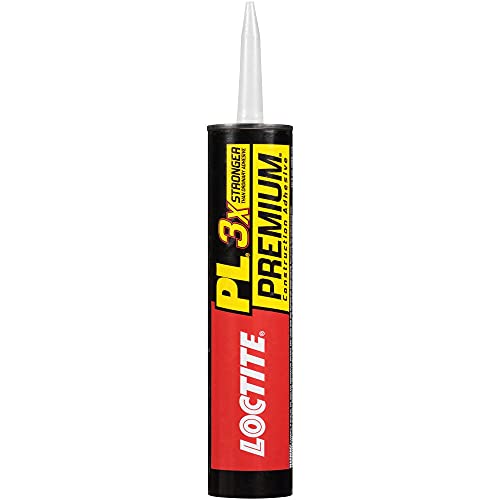
Loctite PL Premium is a versatile, one-component polyurethane adhesive designed for a wide range of substrates. It delivers a strong, durable bond that performs well with foam insulation, metal, and common construction materials. The formulation is noted for its 3X strength compared to typical construction adhesives, making it suitable for sub-floor and structural applications. It adheres to wood, OSB, drywall, brick, concrete, masonry, stone, foam insulation, metal, ceramic, PVC, and more. Proper curing results in a robust joint that withstands indoor and outdoor conditions, though surface preparation is key for maximum adhesion.
3M Super 77 Multipurpose Spray Adhesive
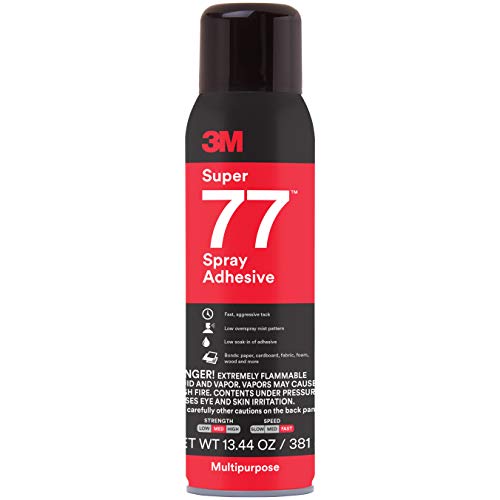
3M Super 77 is a fast, industrial-strength spray adhesive suitable for a broad range of lightweight materials, including foam, paper, fabric, metal, and more. Its aggressive tack helps form quick bonds with less clamping. While it excels on foam and other porous materials, it is best suited for lightweight, temporary or semi-permanent fixtures rather than heavy structural joints. Users should ensure adequate ventilation and test compatibility with foam types (EPS/XPS) to prevent chemical interaction or surface distortion.
Loctite Extreme Glue

Loctite Extreme Glue is a strong, all-purpose adhesive that dries clear, suitable for a variety of surfaces including metals and plastics. Its non-foaming formula reduces mess, making it practical for hobby projects, repairs, and craft work. This adhesive is effective for bonding metal to non-metal substrates but may not be as forgiving for large, flexible foam panels where shear forces are high. It provides a reliable bond for small-to-moderate joints and quick repairs with minimal cleanup.
Cenydea Metal Glue (ClenyMagi)

ClenyMagi Metal Glue is a two-pack metal bonding adhesive designed for a range of materials, including metal-to-metal, metal-to-plastic, and more. The kit emphasizes ease of use with a precision tip and a quick 5–10 second tack for immediate bonding, followed by stronger full cure. It is well-suited for DIY metal repair projects, decorating components, and small fixtures. The durability improves with proper surface prep and clamping as the bond cures.
Vicpricme Epoxy Metal Glue

Vicpricme Metal Glue is a two-component epoxy designed for high-strength bonding with metals and other substrates. The solder-like mixing process yields strong, durable joints with excellent resistance to temperature and chemicals. It cures quickly (about 5 minutes to initial set, 24 hours for full cure) and remains stable across a wide temperature range. This epoxy is appropriate for automotive, marine, plumbing, and construction repairs, providing a robust solution for metal-to-metal or metal-to-wood bonds, including repairs involving foam where a rigid joint is needed.
Buying Guide: Key Considerations For Bonding Foam To Metal
- Bonding Strength: For foam-to-metal, prioritize adhesives labeled for multi-material or foam compatibility. Polyurethane construction adhesives and two-part epoxies generally deliver stronger, durable bonds than simple spray adhesives for structural applications.
- Foam Type Compatibility: EPS and XPS foams react differently to solvents. Always test the adhesive on a small foam sample to ensure there is no melting, warping, or surface damage.
- Open Time And Cure: Consider working time and curing effort. Sprays like 77 provide quick tack but may require support or clamping. Two-part epoxies offer long working times with robust final strength but require mixing and setup.
- Temperature And Moisture Resistance: For outdoor or damp environments, select adhesives with good water resistance and temperature tolerance to prevent brittleness or bond failure.
- Surface Preparation: Clean and dry surfaces, roughen metal slightly if appropriate, and remove dust or oils. For foam, avoid overly aggressive surface abrasion that could degrade structural integrity.
- Application Method: Choose based on project needs—spray adhesives for large area coverage and quick assembly; liquid or gel for precise gaps; epoxy for gap filling and maximum strength.
- Safety And Ventilation: Work in a well-ventilated area, follow product warnings, and wear protective gear where recommended, especially for spray adhesives and epoxies.
- Curing Time And Handling: If the project requires immediate handling, consider products with faster initial cure while ensuring full cure time is observed to reach maximum strength.
- Low Odor Options: For indoor projects or sensitive environments, prefer low-odor formulations when available, while confirming they still meet bonding requirements.
Selecting the right adhesive depends on project specifics, including whether the foam will endure flex or shear, the weight that the bond must support, and exposure to moisture or chemicals. For a robust, lasting bond between foam and metal, evaluate products with high adhesion to both substrates, suitable cure times, and proven performance under real-world conditions. Always follow manufacturer instructions for surface prep, application, and cure to achieve optimal results.