Finding the right practice skin helps tattoo artists refine technique without risking real clients. This guide highlights five standout fake skin options that balance realism, durability, and value. Whether you’re a beginner learning line work or an experienced artist testing new machines and pigments, these skins offer lifelike feedback and reliable performance. Read on to compare materials, thickness, and usability so you can choose the best fit for your studio or home practice sessions.
Buying decisions can hinge on skin feel, durability, and how well a skin holds ink. The table below summarizes essential details for the selected products to help you compare at a glance.
| Product | Material | Thickness | Double-Sided | |
|---|---|---|---|---|
| Blank Tattoo Practice Skin – Jconly | PU Leather | 1 mm | Yes | Dermis-like texture for real needle feedback |
| TrueSkin Platinum Silicone | Platinum Silicone | 4-5 mm | Yes | Museum-grade durability and long life |
| Blank Tattoo Skin, Gospire | Rubber/Silicone blend | 8×6 in blank sheets | Yes | Soft, elastic surface with good color transfer |
| Autdor Blank Tattoo Practice Skins | 1.0 mm synthetic leather | 1 mm | Yes | Hygienic, individually sealed and double-sided |
| Urknall 3MM Tattoo Skin | Silicone | 3 mm | No | Thicker skin for depth control and puncture resistance |
Blank Tattoo Practice Skin – Jconly

The Jconly Blank Tattoo Practice Skin uses 1 mm thick synthetic skin designed to simulate dermis-like texture. Its true skin feel comes from premium materials that mimic elasticity and needle resistance, helping practitioners judge depth and ink flow. The set includes 30 sheets, making it suitable for frequent practice sessions and classroom use. Features emphasize safe practice for beginners while still offering realistic feedback for advanced shading and line work.
Container and usage considerations focus on durability and reusability. The skin resists tearing during shading and line tests, and its stretchable surface accommodates a variety of techniques without sacrificing form. This makes it a practical option for testing new machines or pigments before working on real clients. For studio owners, the 30-sheet quantity provides enough volume for multiple students or repeated practice cycles.
TrueSkin Platinum Silicone Tattoo Practice Skin
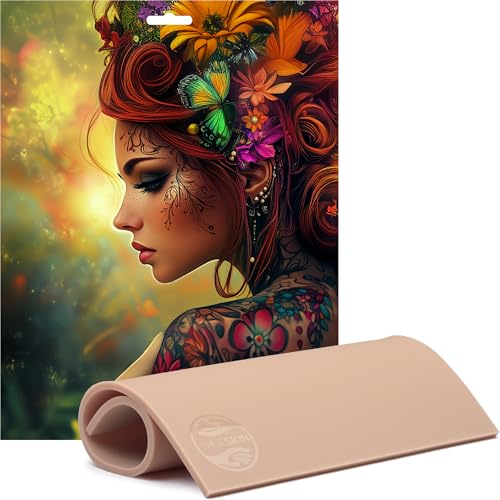
TrueSkin Platinum Silicone stands out for its thickness and comfort. At 4-5 mm, this skin offers a substantial feel that closely mimics real skin, with two usable sides due to its double-sided manufacturing process. The silicone is certified as skin-safe and designed to minimize irritation, making it suitable for extended practice sessions. Museum-grade durability suggests a long lifespan, ideal for students and professional artists who want a reliable surface for color packing and shading tests over time.
Practical considerations include how ink takes on platinum silicone and how well the skin holds up after repeated cleanings. The larger 8.5″ x 11″ surface gives ample space for ambitious designs, enabling full-sleeve practice on a single sheet or multiple smaller pieces across practice sessions. While premium in feel and longevity, this option may be heavier and pricier, which is a factor for frequent, budget-conscious studios or personal use.
Blank Tattoo Skin, Gospire

Gospire offers double-sided fake skin in a rubber-like material, advertised as easy to color and with a soft, elastic surface. Each package includes 10 pieces at 8×6 inches, making this a practical choice for classrooms and studios that need multiple practice skins. The material’s texture aims to balance pliability with durability, helping artists test line work, shading, and color density without excessive tearing or dulling of the needle.
Considerations for color performance and longevity are important with rubber-type skins. They typically allow smooth transfer of ink but may require different ink types or needles for best results. The packaging’s emphasis on individual skin packaging helps maintain hygiene between sessions, which is advantageous for teaching environments where multiple hands will handle the same materials.
Autdor Blank Tattoo Practice Skins

Autdor presents a hygienic solution with 10 individually sealed sheets, each 8×6 inches and 1.0 mm thick. The double-sided design optimizes usage, allowing artists to practice multiple techniques on a single sheet while reducing waste. The skin is described as true skin-like, with high elasticity that resembles human skin’s feedback when the needle penetrates. This makes it suitable for lining, shading, and color blending, particularly for beginners building precision and hand stability.
Wrap-around capability enables practicing on curved surfaces, such as joints or model limbs, which helps artists simulate real-world tattoo placement. Tear resistance and ink saturation tolerance are important for heavy pigment sessions, and Autdor’s distributed design supports repeated reuse after cleaning. Hygienic packaging is a practical plus for teaching studios and individual practitioners who value clean workflows.
Urknall 3MM Tattoo Skin

Urknall’s 3 mm thick silicone practice skin provides a thicker, punch-resistant surface that can enhance depth control during practice. Each package contains 10 individually wrapped skins, sized around 7.48″ by 5.62″. The extra thickness helps reduce punctures and allows trainees to simulate deeper needle penetrations more safely. The silicone composition offers a skin-like feel with good ductility, making it suitable for practicing eyeliner and eyebrow work as well as traditional tattooing techniques.
Key considerations include the benefits and trade-offs of thicker silicone. While depth control improves and material durability increases, some practitioners may find the thicker surface less flexible for wraps around curves compared to thinner skins. Durability and reuse potential are strong, making Urknall a practical option for more aggressive practice styles or bulk training sessions.
Buying Guide: Key Purchase Considerations
- Material and skin feel: Silicon and premium PU or rubber blends offer different tactile feedback. Silicone tends to be durable and ink-friendly, while PU-leather blends can provide dermis-like textures for realistic depth perception.
- Thickness and durability: Thicker skins (3-5 mm) improve depth control and puncture resistance; thinner skins (1-2 mm) more closely mimic real skin but may wear faster with heavy practice.
- Double-sided usability: Double-sided skins maximize usage and value by allowing different techniques on each side. This is especially useful for classrooms and busy studios.
- Size and coverage: Larger surfaces support broader designs, while compact skins are convenient for quick practice or travel setups. Consider whether you need full sheets for sleeves or small patches for line work.
- Hygiene and packaging: Individually sealed or easy-to-clean surfaces reduce cross-contamination, important for teaching environments and frequent reuse.
- Maintenance and ink compatibility: Some skins hold ink well and resist smudging; others may require specific ink types or cleaning steps. Check whether the skin is easy to wipe down and reuse.
- Value and quantity: For instructors and studios, bundles (e.g., 10-30 sheets per pack) can drive down per-skin cost. For individuals, consider whether a smaller starter pack meets current practice needs plus future growth.
- Special features: Look for skins that wrap around curved surfaces, or that provide two sides with different textures for varied technique practice.
In choosing the right fake skin, consider your typical practice goals: line work accuracy, shading control, pigment testing, and machine calibration. A mix of materials and thicknesses can cover a broader range of techniques, while larger sheets or double-sided options maximize value for frequent practitioners. For beginners, starting with a softer, skin-like surface can help build confidence before moving to thicker, more durable skins for advanced sessions. Studio owners should balance cost with the need for multiple practice surfaces to support varied curricula and student volumes.