Choosing the right exposure unit is essential for crisp, durable screen prints. The right lamp, wavelength, and stand setup can dramatically affect exposure times and emulsion curing. Below are five prominent options aimed at hobbyists and small studios alike, each with notable features to help you select the best exposure unit for your workflow. This guide highlights key specs, stand design, and practical benefits to help you compare quickly.
| Product | Brand | Watt / Wavelength | Stand Type | Notes |
|---|---|---|---|---|
| Dorhui 50W LED Exposure Unit | Dorhui | 50W, 395nm | Adjustable height/angle, 360° rotation | Large projection angle for bigger items |
| Caydo 2PCS 50W LED UV Unit | Caydo | 50W, 395nm | Two lights with stands, adjustable | Versatile 2-in-1 design for different screen sizes |
| ANGOO LED Exposure Unit 50W | ANGOO | 50W, 395nm | Adjustable height/angle, foldable | No assembly required, timer option |
| UrekaGo UV LED Exposure Unit | UrekaGo | 50W, 395nm | Folding metal stand, stable base | Multi-purpose stand with extra alignment stability |
| SAHUANIYE 60W LED UV Exposure Unit | SAHUANIYE | 60W, 395nm | Tabletop with large exposure area | Durable iron construction, adjustable timer |
Dorhui 50W LED Exposure Unit for Screen Printing

The Dorhui exposure unit uses a 50W UV lamp with a 395nm wavelength to provide uniform illumination, aiming to shorten curing times for photosensitive emulsions. Exposure times typically range from 3 to 5 minutes depending on emulsion thickness. An adjustable height and angle light stand helps tailor the exposure to specific plates, with a distance range from 1 inch to 20 inches. The light can rotate 360 degrees and features a wide 120-degree projection angle for larger items.
Caydo 2PCS 50W LED UV Screen Printing Light Exposure Unit

This package includes two 50W LED UV exposure lights and stands, offering flexible setups for 10 x 14-inch and 20 x 24-inch screens. The 395nm wavelength provides uniform illumination to shorten curing times to about 3-5 minutes, depending on emulsion thickness. The set includes cable ties, hooks, and instruction, enabling quick assembly and adjustment for different frames.
ANGOO LED Exposure Unit for Screen Printing

ANGOO offers a 50W UV exposure light with a 395nm wavelength and a foldable design. The device includes a timer and adjustable height/angle for precise plate making. Exposure times typically range from 5 to 15 minutes depending on emulsion thickness. The foldable design makes it convenient for compact spaces and easy storage between sessions.
UrekaGo UV LED Exposure Unit for Screen Printing
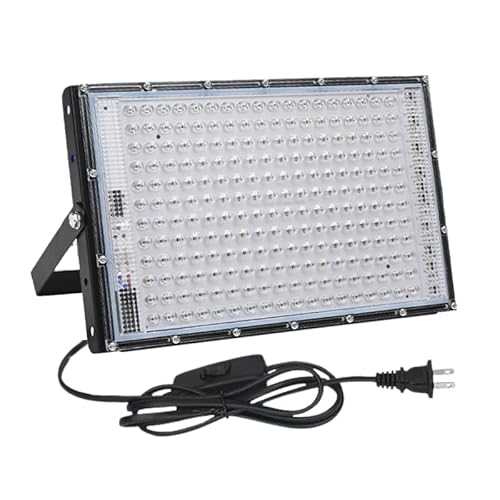
UrekaGo combines a high-intensity 50W, 395nm UV light with a foldable, stable metal stand. This setup aims to deliver precise, even exposure for cyanotype and screen-printing stencil creation. The stand features a robust 750g weighted base to maintain stability without screws, allowing easy repositioning and angle adjustments. The unit also doubles as a versatile holder for devices, supporting hands-free operation.
SAHUANIYE 60W LED UV Exposure Unit

The SAHUANIYE exposure unit uses a sturdy iron frame with electrostatic spray to resist rust and wear, offering durable long-term use. A built-in countdown timer provides automatic shutoff, with memory to recall settings. It includes a high-density sponge layer to help press the film tighter against the screen, improving exposure consistency and plate quality.
Buying Guide: Key Considerations For Selecting An Exposure Unit
- Wavelength and Power: Most 395nm LED units in the 50W-60W range are suitable for standard photo emulsion and cyanotype processes. Higher wattage can shorten exposure times but may require careful handling to avoid overexposure.
- Exposure Time Range: Look for adjustable timers or software-like precision to dial in optimal exposure times. Shorter times favor quick turnaround, while longer times may improve detail on thick emulsions.
- Stand Stability and Adjustability: A sturdy base and flexible height/angle adjustments help you target the screen area accurately and maintain consistent results across multiple screens.
- Number of Units and Coverage: Single-unit setups are compact and budget-friendly; dual-light kits provide faster curing and redundancy, especially for larger frames.
- Durability and Build Quality: Materials like metal stands and rugged housings reduce wear over time, particularly in busy studios.
- Portability and Storage: Foldable or compact designs save space in small shops or home studios, while foldable stands offer easy storage between sessions.
- Compatibility with Emulsions: Ensure the unit is compatible with the types of emulsions you use (diazo, photo emulsion) and any film-based workflow needs.
- Additional Features: Look for memory timers, built-in anti-glare features, and easy assembly to streamline setup and reduce downtime.
This article emphasizes objective specifications and practical considerations to help you compare exposure units without price bias. The right choice depends on screen size, emulsion type, workflow speed, and space constraints in your shop.