What’s in this guide
Creating handmade soaps becomes easier and more enjoyable when you choose the right essential oils. This guide highlights five high-quality options that work well in soap formulations, offering aroma, skin-safe characteristics, and reliable scent retention. Each pick includes practical notes for soap makers, from dilution guidance to compatibility with base waxes and carrier oils. Use this overview to compare scents, purity, and value for your next batch.
| Product | Brand | Key Use | Notes |
|---|---|---|---|
| Majestic Pure Lavender Essential Oil | Majestic Pure | Soap making, Aromatherapy | Lavender blend, Bulgaria and France origin, steam distilled |
| Handcraft Blends Lavender Essential Oil | Handcraft Blends | Soap making, Diffuser, Skincare | 100% pure, lab-tested, glass bottle with dropper |
| MAYJAM Vanilla Essential Oil | MAYJAM | Soap making, Diffuser, Candles | Rich vanilla aroma, long-lasting |
| Bramble Berry Oatmeal Milk & Honey Fragrance Oil | Bramble Berry | Soap making, Candles | Warm, comforting scent; skin-safe formulation |
| Holamay Fruity Fragrance Oils Set | Holamay | Soap making, Diffuser, Candles | Assorted summer fruit scents, IFRA-compliant |
Majestic Pure Lavender Essential Oil

This lavender oil is a blend of Lavandula angustifolia from Bulgaria and Lavandula hybrida from France, steam distilled for purity. It is described as therapeutic grade and suitable for soap making when diluted with a carrier oil. For use in perfumes or baths, a small amount can be tested on a skin patch. Safety notes include avoiding eye contact and keeping out of reach of children. A classic choice for calming, floral fragrances in handmade soaps.
P&J Trading Fragrance Oils Set
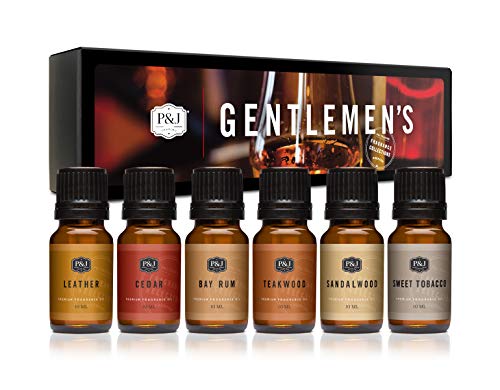
P&J Trading fragrance oils are designed for a range of DIY projects, including candle making, soap, diffusers, and body products. The brand emphasizes high concentration and IFRA-certified perfumers’ formulations. The set is described as easy to use with dropper-enabled bottles, suitable for enhancing soaps with robust, lasting scents. When used in soap, ensure proper dilution and compatibility with your base oils to avoid excessive acceleration or separation during trace.
MAYJAM Tea Tree Gift Set

This gift set from MAYJAM includes multiple essential oils including tea tree and other options, offering flexibility for soap formulations and skin-care blends. Tea tree provides a fresh, medicinal note well-suited to exfoliating or cleanser soaps. The oils are marketed as highly concentrated and versatile for diffusers, massages, and DIY bath products. For soap, start with small percentages and adjust based on scent intensity and compatibility with your chosen base.
Bramble Berry Oatmeal Milk & Honey Fragrance Oil

This fragrance oil delivers a warm, comforting scent combination of oatmeal, milk, honey, and soft almond. It is designed for soap, candles, lotions, and bath products. The formula is described as skin-safe and vegan, with phthalate-free and paraben-free characteristics. When used in soap, blend at moderate percentages to respect the fragrance’s strength and avoid overpowering the base notes. Ideal for cozy, everyday soaps.
Holamay Fruity Fragrance Oils Set
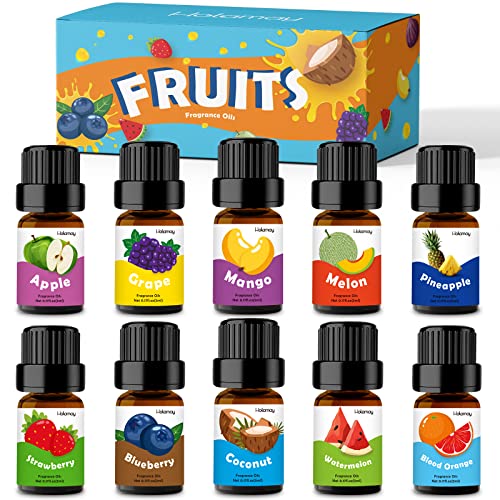
The Holamay set features a top selection of fruity fragrances (coconut, strawberry, mango, pineapple, and more) designed for diffusers, soap, and candles. The oils are IFRA-compliant and marketed as highly concentrated with no fillers or parabens. They are noted as easy to blend with paraffin or soy wax, offering vibrant scents while remaining skin-safe when properly diluted. Suitable for summer-inspired soap varieties or decorative bath products.
Buying Guide: Key Purchase Considerations For Soap Making
- Purity and source: Look for 100% pure essential oils or fragrance oils with clear labeling of botanical names and origin. Pure oils provide authentic note profiles but may require careful blending. Fragrance oils can offer consistent scents and cost efficiency for large batches.
- PH and skin compatibility: Assess whether the oil is suitable for direct skin contact or requires dilution with a carrier oil. For soaps, ensure the formulation remains skin-friendly after saponification and curing.
- Scent strength and volatility: Some oils are intensely aromatic and fade quickly, while others linger. For soap, balance top, middle, and base notes to maintain a pleasant fragrance through curing and use.
- IFRA compliance: If using fragrance oils, verify IFRA standards to ensure safe usage concentrations in cosmetic products and soaps.
- Storage and stability: Opt for dark amber bottles with dropper caps to protect against UV light and provide precise dosing. Store in a cool, dry place to preserve aroma.
- Allergen and safety notes: Check for potential skin sensitization or pregnancy-related cautions. Conduct a patch test when introducing new oils into soap recipes.
- Cost per batch: Consider bottle size, concentration, and price to estimate cost per finished bar. Some blends offer better value for large soap projects.
- Pairing with bases: Different waxes and soap bases (cold process vs melt-and-pour) react differently to scents. Test small test batches to optimize cure time and scent throw.
- Ethical and vegan claims: If you prioritize vegan and cruelty-free products, review supplier policies and third-party testing certifications.
- Customer usage: For gift items, consider fragrance variety and packaging quality, which influence perceived value in handmade soaps.
In choosing essential oils for soap making, consider your fragrance goals, safety guidelines, and production scale. The items listed above provide a mix of lavender staples, vanilla warmth, comforting blends, and fruity sets to experiment with diverse soap profiles. Always perform small test batches to refine scent strength and skin feel before scaling up production.