Jewelry engraving demands precision, reliability, and versatility. This article profiles five standout engraving machines that excel in metal, wood, and various jewelry substrates. Each selection emphasizes speed, accuracy, and ease of use for hobbyists and small shops alike. Below you’ll find a concise buying guide and a quick reference table to compare the featured models at a glance.
| Product | Brand |
|---|---|
| xTool F1 2-in-1 Dual Laser Engraver | xTool |
| WECREAT Lumos 2-in-1 Laser Engraver | WECREAT |
| Twotrees TS1 Mini 3W Laser Engraver | Twotrees |
| CTISMICE Pneumatic Engraving Machine | CTISMICE |
| Dremel Engraver Rotary Tool | Dremel |
xTool F1 2-in-1 Dual Laser Engraver

The xTool F1 2-in-1 blends infrared and diode laser capabilities for metal and non-metal materials, delivering up to high-speed engraving at 4000 mm/s. Its 2W infrared laser is suitable for all metal substrates, while the 10W diode laser handles wood, acrylic, and similar substrates. The machine is designed for batch-processing tasks like jewelry tags and custom tokens. An enclosed design minimizes smoke and odor, and a built-in air-purification concept helps maintain a cleaner workspace. Weighing around 4.6 kg, it’s portable enough for craft fairs and pop-up shops.
Pneumatic Jewelry Engraver Machine Dual-Head

This pneumatic dual-head engraver offers adjustable speeds from 400 to 8000 RPM, enabling precise metal engraving for jewelry, as well as other crafts. Ergonomic design and a convenient foot pedal facilitate comfortable operation for extended sessions. Built for professional use, the device emphasizes durability and consistent performance, making it suitable for studios that require repeatable results across multiple pieces.
WECREAT Lumos 2-in-1 Laser Engraver

The Lumos 2-in-1 combines a 3W infrared laser with a 10W diode for rapid, vibrant engraving. It supports high-speed operation up to 4000 mm/s and promises deeper, darker marks on metal, as well as vivid colorful engraving on compatible materials. The tool emphasizes color-rich results and durability, making it a strong option for jewelry makers who want distinctive, premium finishes that stand out in markets and at craft fairs.
Twotrees TS1 Mini 3W Laser Engraver
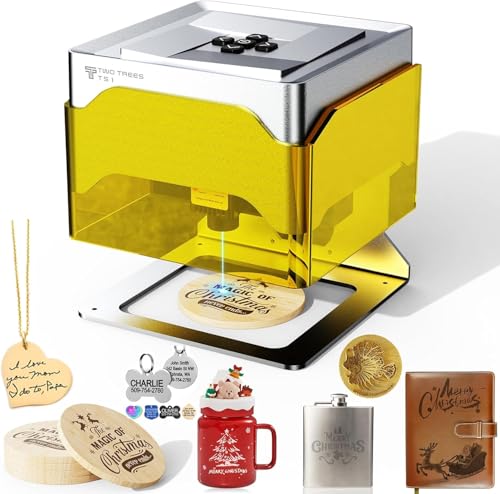
The TS1 Mini combines a compact footprint with a 3W laser and an 80×80 mm work area. With 0-30 mm height adjustment, it supports precise, close-range engraving on wood, leather, metal, and glass. Its GRBL-compatible firmware and 0.1 mm positioning accuracy enable detailed designs for small jewelry pieces and personalized gifts, making it a practical option for home studios and side businesses.
Dremel 120-Volt Engraver Rotary Tool

The Dremel Engraver Rotary Tool is a versatile choice for jewelry personalization and craft projects. It engraves on wood, metal, glass, and more, with a five-position depth dial to adjust stroke depth. A compact 7,200 strokes-per-minute motor provides steady, controllable engraving for fine lines or bolder lettering. Its broad accessory ecosystem supports a range of materials and engraving styles, appealing to beginners and seasoned makers alike.
Buying Guide: Key Considerations for Jewelry Engraving Machines
- Material compatibility: Choose a system that handles metals commonly used in jewelry (stainless steel, aluminum, brass) as well as precious metals if needed.
- Engraving depth and speed: Higher speeds boost throughput, while deeper Engraving enables lasting marks on metal surfaces. Consider models offering adjustable depth or power settings.
- Power source and footprint: Desktop machines suit hobbyists; handheld/pneumatic tools fit on smaller benches. Assess weight, size, and portability if you shop at fairs or markets.
- Air and smoke management: Enclosed designs with filtration help maintain air quality during metal engraving and minimize residue on delicate jewelry surfaces.
- Software and compatibility: Look for open-source or widely supported firmware (like GRBL) and compatibility with vector/d graphics to streamline design workflows.
- Accessories and support: A robust accessory ecosystem (bits, blades, focus tools) and responsive customer support can shorten setup time and improve results.
- Safety considerations: Ensure proper shielding, eye protection, and safe handling of hot or smoke-producing processes, especially for beginners.
- Cost of ownership: Beyond the initial price, factor in consumables, replacement parts, and potential need for post-processing steps to achieve final finishes.
In summary, the right jewelry engraving machine depends on your goals: speed for batch production, color and depth for premium finishes, or compact design for pop-up events. The five highlighted options offer a spectrum of capabilities to match different workflows, budgets, and spaces. When evaluating, prioritize material compatibility, engraving depth, and the availability of reliable support and accessories to sustain long-term success.