The right cloth makes punch needle and tufting work smoother, with cleaner stitches and less fraying. This guide highlights five top fabrics designed for punch needle and rug-punch techniques, focusing on durability, marked lines for symmetry, and edge construction. Each option supports different project sizes, needle types, and end results. Use the quick reference below to compare sizes, materials, and standout features before diving into your next craft.
| Product | Brand | Size | Key Feature |
|---|---|---|---|
| 40″ × 40″ Large Overlocking Tufting Cloth | Biubee | 40 x 40 inches | Overlocking edges; yellow marked lines |
| Pllieay Tufting Cloth | Pllieay | 26.4 x 19.3 inches | 100% cotton; marked lines |
| Uigidori 39 x 39 Inches Monk Cloth | Uigidori | 39 x 39 inches | Marked lines; durable weave |
| Earth Ethical Monks Cloth | Earth Ethical | 36″ x 60″ (yard) | 100% cotton; wide yard option |
| Yoquare 83″ x 79″ Tufting Cloth | Yoquare | 83 x 79 inches | Overlocking edges; marked lines |
Biubee 40″ × 40″ Overlocking Tufting Cloth

Material and construction emphasize durability for punch needle work. The cloth blends 65% polyester with 35% cotton, creating a balance of softness and wear resistance. Edges are overlocked to prevent fraying during tufting, which helps maintain fabric integrity as you work. A notable feature is the yellow marking lines woven into the fabric to guide stitching and keep your tufting aligned. The 40 × 40-inch size offers ample space for medium-sized projects and allows you to cut the fabric as needed without sacrificing edge stability.
Application notes: Suitable for punch needle, carpet punching, and tufting machines. The fabric’s density and weave are designed to resist puncture and tearing, supporting consistent needle penetration. This makes it a practical choice for beginners who want reliable performance and for seasoned crafters tackling larger patterns.
Pllieay Tufting Cloth Punch Needle Fabric

The Pllieay cloth is crafted from 100% cotton, offering a natural fiber surface that yields clean stitch lines. Sized at 26.4 × 19.3 inches, it’s well-suited for smaller, detailed designs or quick practice pieces. The fabric is described as versatile for punch needle, rug-punch, machine embroidery, and other cloth embroidery tasks, making it a flexible option for hobbyists who blend multiple techniques. Cotton’s feel provides a smooth glide for needles while maintaining stitch integrity throughout the project.
Key benefits include easy edge handling and compatibility with standard punch needle tools. The 100% cotton construction helps achieve even tension and uniform loops, helping to minimize thread fraying and puckering in finished pieces.
Weavers Cloth for Punch Needle Embroidery

Geared specifically toward punch needle embroidery, this Weavers Cloth is designed for use with Ultra Punch Needle tools and is lauded as a recommended fabric by many punch needle designers. While the product listing notes a yard-based format, the essential attributes are its suitability for punch needle projects and robust compatibility with common punch needle tools. The material choice and weave aim to deliver a reliable surface with consistent loop formation, aiding in achieving smoother, evenly spaced stitches across larger swaths of fabric.
Considerations include tension management and how the weave supports consistent density across long sessions. This option is ideal for crafters who routinely work on larger panels or pieces requiring extended stitching time without frequent fabric changes.
Uigidori 39 x 39 Inches Monk Cloth
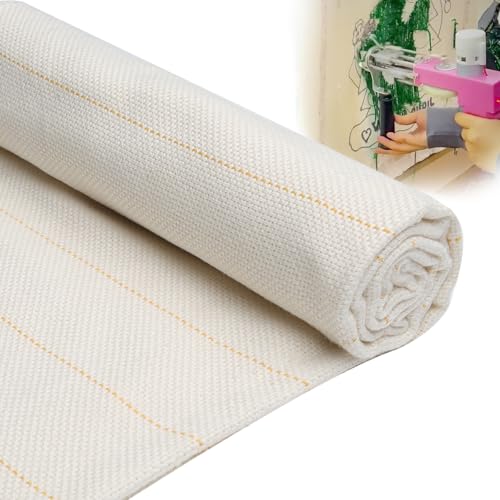
Uigidori’s premium tufting cloth blends 70% cotton with 30% polyester for a sturdy, yet soft base. The 39 × 39-inch size fits a wide range of projects, and the fabric features marked lines woven into the cloth to assist with symmetry and alignment during tufting. The double warp and double weft construction enhances durability, reducing edge wear and tear as you work with tufting guns or hand needles. This fabric aims to balance flexibility with strength, supporting detailed patterns and larger designs alike.
Use guidance emphasizes keeping the fabric taut, leveraging the lines to monitor coverage and spacing, and cutting as needed to tailor the piece to your project’s dimensions.
Earth Ethical Monks Cloth – 36″ × 60″ Yard

This monks cloth option uses 100% cotton and offers a generous yard size at 36 inches wide by one yard long, providing ample material for larger projects or multiple pieces. Its 14 holes per inch ensure a relatively open weave, which can be advantageous for punch needle work that requires more visible loops and quicker stitch formation. The natural cotton surface supports predictable tension and reduces drag on the needle, contributing to cleaner patterns and less edge fray over extended sessions.
Critically, this fabric emphasizes usability and versatility, supporting rug punching, machine embroidery, and DIY cloth embroidery. The broad width helps reduce seams in larger pieces, while the cotton fiber absorbs dyes and shows stitch definition clearly for practice and production alike.
Buying Guide: Key Purchase Considerations For Punch Needle Fabrics
- Fabric type and weave: Cotton monk cloths generally offer smooth stitches and easy needle movement, while blends like cotton-polyester can add durability and edge resilience for tufting guns.
- Marked lines and alignment aids: Fabrics with yellow or other marked lines help maintain symmetry and reduce deviation, especially on larger projects.
- Edge construction: Overlocking edges prevent fraying during use, saving time and preserving fabric life in ongoing projects.
- Size options: Choose fabric dimensions that fit your project scale. Yard-wide options reduce seams and provide flexibility for larger designs.
- Weave density and holes per inch: A denser weave supports finer detail but may require sharper needles; a looser weave can speed up larger pieces but may show less texture detail.
- Material composition: Cotton fabrics offer natural fiber performance and easier edge finishing, while blends increase durability and puncture resistance in heavy-duty tufting.
- Durability and reuse: Look for wear resistance and durability if you plan to reuse the fabric for multiple projects or practice sessions.
- Care and maintenance: Consider whether the fabric can be washed or cleaned without impacting stitch integrity or marked lines.
- Project type compatibility: Ensure the fabric suits your tools (punch needle, tufting gun, or machine embroidery) and the intended end product (rug, wall hanging, cushion).
- Environmental and safety considerations: If you value eco-friendly options, prioritize 100% cotton fabrics and undyed greige materials when possible.