What’s in this guide
Finding the right clay is essential for achieving smooth wheel throwing, clean hand-building lines, and durable sculpture. This guide reviews five standout options that suit beginners, hobbyists, and more experienced potters in American studios and classrooms. From stoneware to air-dry varieties, these clays cover a range of firing temperatures, textures, and plasticities to support versatile ceramic work.
The following table summarizes the selected products to help you compare at a glance.
| Product | Brand | Type | Firing Range |
|---|---|---|---|
| Deouss Mid High Fire White Stoneware Clay | Deouss | Stoneware, Wheel Throwing | Cone 5-10 |
| 50lb Best Mix- BMX Mid Fire Cone 6 | Rocky Mountain Clay | Stoneware, Wheel Throwing | Cone 6 |
| Crayola Air Dry Clay (5lbs) | Crayola | Air Dry | N/A (air dry) |
| Premium Air Dry Clay for Kids (3.3lbs) | Aujazyble | Air Dry | N/A (air dry) |
| Old Potters Mid High Fire White Stoneware Clay | Old Potters | Stoneware, Wheel Throwing | Cone 5-10 |
Deouss Mid High Fire White Stoneware Clay

The Deouss white stoneware clay is designed for wheel throwing, hand building, and sculpting across a broad firing window. It supports a wide glaze range and is suitable for various skill levels, from beginners to more advanced ceramic artists. The formulation aims for plasticity that helps create both functional ware and decorative pieces. The cone 5-7 firing guidance and a recommended glaze range of cone 5-6 make it versatile for many studio projects. This 5-pound bag is compact for individual studios and classroom use.
50lb Best Mix- BMX Mid Fire Cone 6 Pottery Clay
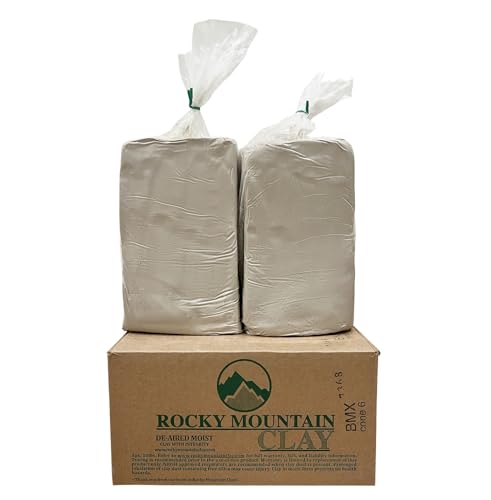
Rocky Mountain Clay’s Best Mix provides a smooth, white mid-fire clay suitable for wheel throwing and hand building. It’s non-toxic and classroom-friendly, making it a solid option for group projects and home studios alike. The mid-fire cone 6 range supports durable stoneware glazes while maintaining workability for beginners and intermediate artists who want reliable plasticity and consistent drying times across larger projects. This 50-pound bag is ideal for studios with multiple students or frequent batch work.
Crayola Air Dry Clay (5lbs)

Crayola Air Dry Clay offers a classic classroom-friendly option for projects that don’t require a kiln. The 5-pound bucket is convenient for group activities and school settings, enabling coil, slab, pinch, and score-and-weld techniques. It’s non-toxic and easy to rehydrate by adding water as needed, making it suitable for younger students or beginners seeking immediate results without firing. This clay emphasizes ease of use, color, and broad educational applications.
Premium Air Dry Clay for Kids – Natural Modeling Clay
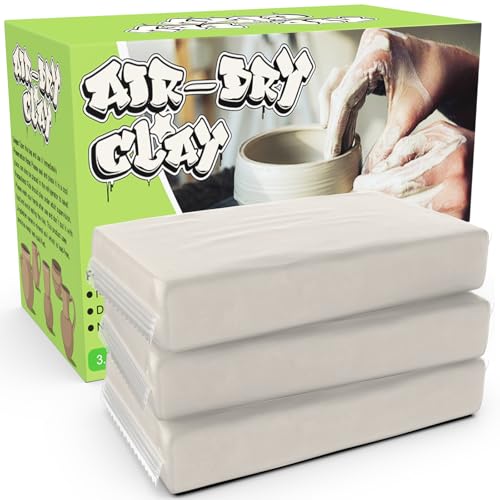
Aujazyble’s premium air-dry clay is designed for kids and classrooms, offering a natural white color and easy handling for wheel-like and hand-building experiments. It emphasizes non-toxicity and odorlessness, making it suitable for sensitive environments. The 3.3-pound size supports small-group activities, craft projects, and introductory sculpture lessons while allowing students to learn layering, texturing, and basic shaping without the need for kilns or kilns’ energy costs.
Old Potters Mid High Fire White Stoneware Clay

Old Potters offers a reliable white stoneware clay with a mid-high fire range, suitable for both wheel throwing and hand-building. The cone 5-10 firing window provides flexibility for detailed work and glaze applications while maintaining workability for users at different skill levels. This 10-pound bag is practical for home studios and classrooms needing robust, plastic clay that holds edges and shapes well during sculpture and functional ware production.
Buying Guide
Key considerations help determine which clay best fits your projects, space, and goals:
- Firing range and glaze compatibility: Stoneware clays like cone 5-10 offer durability and versatile glaze options, while mid-fire clays around cone 5-6 balance cost and performance for many functional pieces.
- Plasticity and workability: Beginners often benefit from clays with higher plasticity that are easy to shape but not too sticky. Hand-builders may prefer pinch, coil, and slab-friendly textures, while wheel throwers seek consistency for centered forms.
- Drying and shrinkage: Some clays dry slowly and evenly, reducing cracks, while others may require more careful moisture control. Consider your environment and project scale when selecting.
- Air-dry versus kiln-fired: Air-dry clays provide quick results without a kiln but lack the strength and water resistance of fired stoneware. They’re excellent for educational settings and quick prototypes.
- Safety and suitability for all ages: Classroom environments require non-toxic, low-dust formulations and clear handling guidelines. For kids, lighter textures and easier cleanup are priorities.
- Project type and skill level: Choose stoneware for functional wares and artistic sculptures that require glazing. Air-dry clays are ideal for quick crafts, school projects, and model making.
- Storage and packaging: Consider bag size and resealability. Larger bags are cost-efficient for studios, while smaller packs suit beginners or intermittent hobbyists.
- Environmental and usage notes: Some clays are better for beginners who want forgiveness during learning curves, while others are designed for experienced potters focusing on precise glazing and intricate forms.
In studios and classrooms, it’s common to mix and test multiple clays to match specific projects, glazing plans, and firing schedules. Always follow manufacturer firing recommendations and safety guidelines to achieve consistent results and minimize defects.